
You'll Never Guess This Exercise Bicycle's Secrets
페이지 정보
작성자 Vilma 작성일26-05-20 09:20 조회4회 댓글0건관련링크
본문
The Exercise Bicycle: A Comprehensive Guide to Indoor Cycling
The exercise bicycle [writes in the official Federatedjournals blog], frequently called the stationary bicycle exercise bike or indoor bike, has become a staple in fitness routines across the world. It provides a practical way for individuals to preserve cardiovascular physical fitness and muscle tone without the requirement for outside cycling. This post looks into the various types of exercise bikes, their benefits, how to choose the ideal one, and some regularly asked questions.
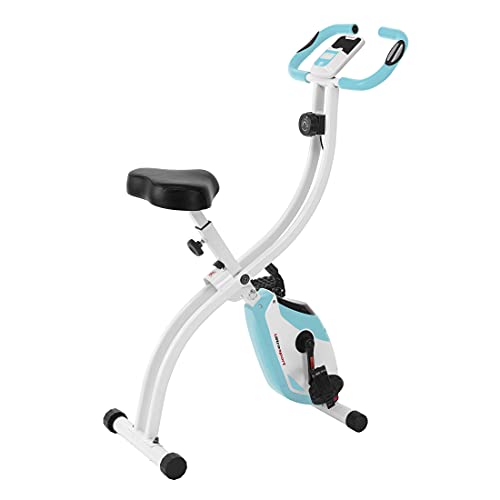
Comprehending the Types of Exercise Bicycles
Exercise bikes come in various styles, accommodating various fitness levels and preferences. Below is a table showcasing the main types of exercise bikes offered on the market.
| Type of Exercise Bicycle | Description | Suitable For | Rate Range |
|---|---|---|---|
| Upright static bike exercise | Mimics the feel of a traditional bicycle. | General fitness enthusiasts | ₤ 200 - ₤ 700 |
| Recumbent Bike | Functions a larger seat and back assistance, appropriate for reclining. | Beginners, seniors, or those with back issues | ₤ 300 - ₤ 1,200 |
| Spin Bike | Created for high-intensity period training (HIIT) with a heavy flywheel. | Advanced users & & spin classes | ₤ 300 - ₤ 2,000 |
| Folding Bike | Compact and portable, perfect for little areas. | Those with restricted space | ₤ 150 - ₤ 600 |
| Hybrid Bike | Integrates functions of upright and recumbent bikes. | Flexible users desiring alternatives | ₤ 250 - ₤ 1,000 |
Advantages of Using an Exercise Bicycle
Utilizing an exercise bicycle uses various health benefits, making it a valuable addition to any fitness program. Here are some of the main benefits:
Cardiovascular Fitness: exercise bike for house [Https://notes.bmcs.one/S/hnS7SglYX] Regular cycling improves heart health, increases lung capacity, and improves overall cardio endurance.
Weight Management: Cycling burns calories effectively, assisting in weight-loss or upkeep when combined with a well balanced diet plan.
Low Impact Exercise: Unlike running or high-impact sports, biking places less strain on the joints, making it a perfect choice for those with injuries or chronic pain.
Muscle Toning: It helps tone the lower body muscles, including the quadriceps, hamstrings, calves, and glutes.
Convenience: The capability to cycle inside at any time removes weather-related barriers and time restraints.
Mental Health Benefits: Regular exercise releases endorphins, improving mood, lowering stress and anxiety, and boosting total mental health.
Selecting the Right Exercise Bicycle
Choosing the best stationary bicycle can substantially improve the home exercise experience. Here are some elements to consider when purchasing an exercise bicycle:
1. Convenience and Ergonomics
- Check the seat change alternatives; a saddle that can be changed for height and fore/aft positioning is essential for convenience.
- Look for padded seats, specifically for upright and spin bikes.
2. Resistance Levels
- Adjustable resistance enables varied strength; magnetic and friction resistance systems are the most common.
3. Size and Space
- Consider your offered space and whether you need a foldable design or a more robust fixed bike.
4. Innovation and Features
- Many bikes come with integrated fitness tracking, Bluetooth connection, and compatibility with fitness apps.
5. Budget
- Set a budget; fixed bikes can vary from a few hundred to a number of thousand dollars.
6. Service Warranty and Customer Support
- Try to find brands that provide good warranties and trustworthy customer care.
| Aspects to Consider | Description |
|---|---|
| Convenience and Ergonomics | Adjustable seat and padded saddle |
| Resistance Levels | Magnetic vs friction resistance systems |
| Size and Space | Dimensions and whether it's foldable |
| Technology and Features | Physical fitness tracking and app compatibility |
| Budget | Cost varieties and financing options |
| Service warranty and Support | Brand name dependability and customer support |
FAQ: Frequently Asked Questions About Exercise Bicycles
Q1: How long should I utilize my exercise bicycle daily?
A: For optimum health advantages, aim for a minimum of 30 minutes of moderate-intensity cycling most days of the week.
Q2: Can utilizing an exercise bicycle assist with weight-loss?
A: Yes, when combined with a healthy diet plan, cycling can efficiently assist with weight loss due to its calorie-burning potential.
Q3: Is an exercise bicycle ideal for novices?
A: Absolutely! Exercise bicycles can be adjusted for different resistance levels, making them ideal for newbies and advanced users alike.
Q4: Do I need any special equipment to use an exercise bicycle?
A: While special biking shoes can improve efficiency, comfortable exercise clothing and helpful shoes are typically sufficient.
Q5: How do I preserve my exercise bicycle?
A: Regular maintenance involves cleaning up the bike, lubing the chain (if suitable), and looking for loose parts and suitable stress in the resistance system.
Q6: Can I utilize an exercise bicycle for rehab purposes?
A: Yes, lots of physiotherapists recommend stationary bikes as a part of rehabilitation programs due to their low-impact nature.
The exercise bicycle provides a wonderful method to remain in shape, enhance cardiovascular health, and preserve an active lifestyle from the convenience of your home exercise equipment. With a variety of designs to select from, people can pick the best bike to fit their specific physical fitness objectives, space, and comfort needs. Whether you're a newbie simply beginning your journey or a knowledgeable cyclist, the advantages of cycling are clear. Investing in an exercise bicycle is not simply buying fitness equipment; it is purchasing your health and wellness.
댓글목록
등록된 댓글이 없습니다.