
15 Reasons To Love Fascia And Cladding
페이지 정보
작성자 Verna 작성일26-05-12 22:24 조회2회 댓글0건관련링크
본문
Fascia and Cladding: Understanding Their Importance in Construction
On the planet of architecture and construction, the terms can be frustrating for both professionals and newbies alike. 2 key components that frequently come up in conversations about developing outsides are fascia and cladding. While they serve different purposes, both are important in adding to a structure's performance, looks, and longevity. This article explores what fascia and cladding are, their functions, products offered, installation processes, and responses to frequently asked concerns.
What is Fascia?
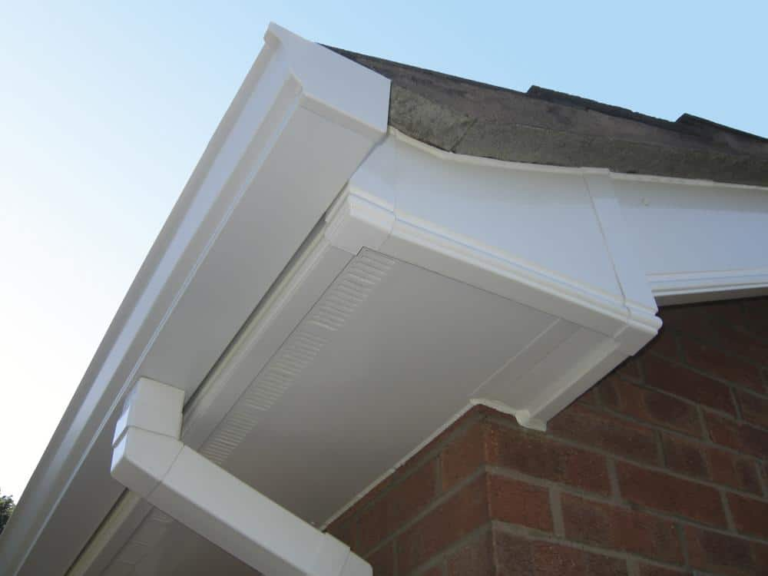
Fascia is a horizontal board that runs along the edge of the roofing, typically at the eaves. It acts as a protective barrier and offers a completed look to the roofline. The fascia board is also crucial in supporting the lower edge of the roofing while offering a surface for the attachment of rain gutters.
Function of Fascia
The fascia Soffit Board Replacement serves numerous vital functions:
- Protection: It shields the hidden roofing and rafters from weather damage.
- Visual Appeal: The fascia provides a clean and polished look to the roofline, Eaves Maintenance - Attictune3.werite.net - improving the total look of the building.
- Assistance for Gutters: It offers a strong base for gutter installation, making sure correct drain far from the structure's structure.
What is Cladding?
Cladding is a protective layer used to the outside of a structure. It can be made from different materials, including wood, vinyl, metal, or stone. The primary purpose of cladding is to protect the building from external aspects, consisting of wind, rain, and temperature level variations.
Function of Cladding
Cladding deals several crucial advantages:
- Weather Resistance: It safeguards the structure from moisture infiltration and other weather-related concerns.
- Insulation: Certain types of cladding improve the structure's thermal performance, providing much better energy performance.
- Aesthetic Versatility: Cladding is available in several designs, colors, and materials, enabling creative exterior designs.
Comparing Fascia and Cladding
| Function | Fascia | Cladding |
|---|---|---|
| Location | Edges of the roof | Whole exterior of the building |
| Main Function | Roofing edge protection and visual | Building defense and insulation |
| Materials Available | Wood, PVC, aluminum | Wood, vinyl, metal, brick, stone |
| Significance in Drainage | Supports gutters | Not directly associated with drainage |
| Visual Role | Completing touch to roofline | Significant factor to developing exterior |
Typical Materials Used
Fascia Materials:
- Wood: Commonly used; offers a timeless appearance but requires maintenance.
- PVC: Durable and low-maintenance; resistant to rot and pests.
- Aluminum: Lightweight and rust-resistant; perfect for different climates.
Cladding Materials:
- Vinyl: Affordable and low-maintenance; flexible in design.
- Metal: Durable and modern; offers outstanding weather resistance.
- Wood: Provides natural visual; might need routine staining or painting.
- Stone or Brick: Offers timeless sophistication; extremely durable but expensive.
Installation Processes
Fascia Installation
- Preparation: Remove old fascia if replacing; inspect for any water damage.
- Measurement: Measure the length of the roofing system edge to cut the fascia boards appropriately.
- Cutting: Cut the fascia boards to size, guaranteeing a snug fit at the roofing system's edge.
- Protecting: Attach the fascia boards using nails or screws, making sure they are level.
- Gutter Installation: Install seamless gutters after the fascia remains in place to ensure proper alignment.
Cladding Installation
- Preparation: Ensure the wall surface is tidy and totally free from damage; add a wetness barrier if required.
- Framing: Install horizontal and vertical framing members if required.
- Measurement and Cutting: Measure and cut the cladding materials to fit the walls.
- Securing: Attach the cladding to the framing or wall surface, ensuring proper overlap and protecting with nails or screws.
- Completing Touches: Seal joints and edges to avoid moisture penetration.
Often Asked Questions (FAQs)
1. What is the main difference between fascia and soffit?
The primary distinction is that fascia is the board that runs along the edge of the roofing system, while Expert Soffit Installation is the material that covers the underside of the roof overhang. Together, they develop a complete look and functionality for the eaves.
2. How frequently should fascia and cladding be preserved?
Fascia generally requires assessment every couple of years for signs of damage or rot, while cladding maintenance depends on the product used. For example, wood cladding might need repainting or staining every couple of years, while vinyl might just require periodic cleansing.
3. Can cladding be set up over existing materials?
Oftentimes, cladding can be set up over existing products if they are in good condition. Nevertheless, it's important to inspect local structure codes and potentially seek advice from a professional for advice.
4. Is it necessary to insulate behind the cladding?
While not strictly necessary, including insulation behind cladding can significantly improve a building's energy effectiveness and comfort, reducing heating & cooling expenses.
5. What are the indications that my fascia needs replacement?
Signs consist of visible rot, warping, peeling paint, or sagging, specifically near gutter setups. If the Fascia Installation - Going at Thoughtlanes - becomes compromised, it can cause more substantial damage to the roof structure.
Comprehending the value of fascia and cladding is crucial for anybody associated with building design or maintenance. Both parts play important functions in protecting a structure while improving its aesthetic appeal. Selecting the right materials and guaranteeing appropriate installation can lead to a lasting and attractive outside that fulfills the needs of homeowners and builders alike. Whether you're building a new structure or remodeling an old one, taking notice of these aspects will undoubtedly add to the structure's general performance and style.
댓글목록
등록된 댓글이 없습니다.