
How To Explain Buy Shipping Containers To Your Grandparents
페이지 정보
작성자 Manuela 작성일26-05-12 10:25 조회2회 댓글0건관련링크
본문
A Comprehensive Guide to Buying Shipping Containers
Recently, shipping containers have become a flexible solution for various requirements varying from storage and transportation to ingenious housing and business endeavors. The growing demand for these containers has led to a surge in the market, making it essential for potential buyers to understand the subtleties of purchasing a shipping container. This post intends to offer a helpful guide that covers everything from types and prices to pointers for purchasing shipping containers.
What Are Shipping Containers?
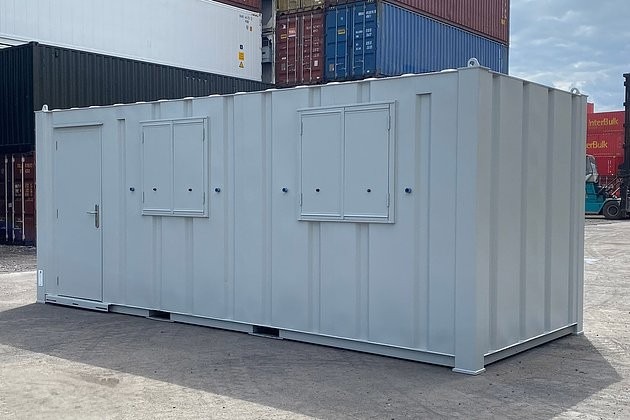
Shipping containers, typically made from steel, are large, standardized metal boxes designed for the transport of goods across oceans. They are available in various sizes and conditions, making them versatile for many applications beyond their original function, including:
- Storage Solutions: Securely storing items, equipment, and inventory.
- Modular Homes: Creating special and affordable housing.
- Pop-Up Shops: Setting up mobile retail places or food stalls.
- Workshops or Offices: Converting into functional work spaces.
Types of Shipping Containers
When thinking about a purchase, it's crucial to understand the different types of shipping containers available. Here's a breakdown:
| Type of Container | Description | Typical Uses |
|---|---|---|
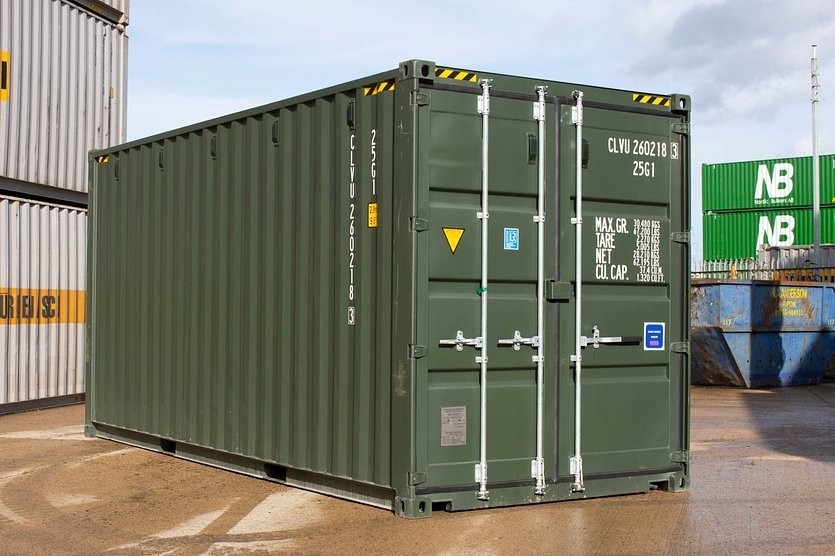
| Requirement Dry Container | The most typical type, used for basic cargo. Available in 20ft and 40ft sizes. | Storage, transportation, modular homes |
| Refrigerated Container | Insulated containers used for transferring disposable items. | Food transport, pharmaceuticals |
| Open Top Container | Containers with a detachable top, beneficial for tall or large cargo. | Heavy machinery or bulk products |
| Flat Rack Container | Flat containers with no sides, created for heavy or bulky cargo. | Vehicles, big equipment |
| High Cube Container | Similar to basic containers however with an extra foot of height. | Storage of taller products |
Factors to Consider When Buying Shipping Containers
1. Purpose of Purchase
Comprehending the reason for acquiring a container is essential. Are you searching for a storage solution, a portable office, or a base for a creative project? Your function will affect your option of type and size.
2. Condition of the Container
Containers are available in different conditions, and the cost can differ considerably. Common conditions consist of:
- New (one-trip): Minimal wear, typically more costly.
- Used (cargo worthwhile): Good condition however has actually been used for shipping.
- As-is: Containers in rough condition, typically cost more affordable prices, but may require repairs.
3. Size Options
Shipping containers generally come in 2 standard sizes: 20-foot and 40-foot. Depending on your needs, you may likewise think about 10-foot choices or larger systems. Assess your space and storage requirements thoroughly.
4. Delivery and Pickup
Think about the logistics of getting the container to your location. Various providers have different policies concerning delivery charges and logistics. It's vital to factor this into your total spending plan.
5. Local Regulations
Before purchasing, inspect local zoning laws and regulations. Some locations may have restrictions on using shipping containers for storage or habitation.
6. Cost Comparison
Shipping container prices can vary significantly based upon condition, size, and area. Performing a market analysis will assist you find a reasonable cost.
Pricing Overview
Here's a rates table highlighting typical costs for various types of shipping containers:
| Type of Container | Size | Average Price (GBP) |
|---|---|---|
| Standard Dry | 20ft | ₤ 2,000 - ₤ 4,000 |
| Standard Dry | 40ft Shipping Container | ₤ 3,000 - ₤ 6,000 |
| Refrigerated | 20ft | ₤ 5,000 - ₤ 8,000 |
| Refrigerated | 40ft | ₤ 8,000 - ₤ 15,000 |
| Open Top | 20ft | ₤ 3,000 - ₤ 5,000 |
| Flat Rack | 20ft | ₤ 2,500 - ₤ 4,500 |
Keep in mind: Prices may vary based on place, condition, and seller.
Actions to Buy a Shipping Container
Research study Suppliers: Look for reliable vendors in your location or online. Read reviews and inspect ratings.
Examine Needs: Define your function, required size, and condition.
Demand Quotes: Contact multiple providers for pricing and availability.
Inspect the Container: If possible, physically check the container before completing the purchase to look for any damages or issues.
Negotiate Terms: Discuss payment approaches, delivery alternatives, and after-sale services.
Total the Purchase: Finalize the handle an agreement that details all terms.
Regularly Asked Questions (FAQs)
Q1: Where can I buy shipping containers?
You can purchase Shipping Container Cost containers from specialized dealers or providers, online markets, or auction sites. Furthermore, some shipping companies sell their used containers.
Q2: What is the lifespan of a shipping container?
With appropriate upkeep, shipping containers can last for 25 years or more. Factors such as rust, wear and tear, and improper use can affect longevity.
Q3: Can I modify a shipping container?
Yes, lots of people tailor Shipping Container Conversion containers for living, working, or storage. Popular modifications include adding windows, doors, and insulation.
Q4: Do shipping containers require authorizations?
This differs by place. It's vital to contact regional authorities regarding zoning regulations before positioning a container on your residential or commercial property.
Q5: Can I rent a shipping container rather of buying?
Yes, many suppliers provide rental alternatives if you require short-lived storage solutions.
Purchasing a shipping container can be a functional investment for various functions, from storage to innovative jobs. By understanding the types of containers offered, evaluating your requirements, and following the actions detailed above, buyers can make educated decisions that match their requirements. Whether you're a business owner in need of storage or an imaginative aiming to develop a home, shipping containers present a versatile and sustainable option.
댓글목록
등록된 댓글이 없습니다.