
9 Things Your Parents Teach You About Guttering
페이지 정보
작성자 Leia 작성일26-05-12 07:57 조회2회 댓글0건관련링크
본문
Understanding Guttering: A Comprehensive Guide
Guttering (get redirected here) is a vital element of any structure's outside, yet it typically goes unnoticed till an issue arises. Correctly installed and maintained guttering systems play a substantial role in securing the structure of a home or structure from water damage. This article will check out the various types of guttering systems, their advantages, maintenance suggestions, common problems, and regularly asked questions.
What is Guttering?
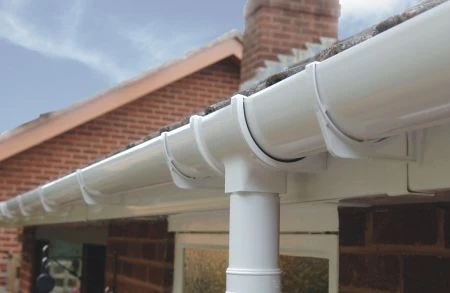
Guttering describes the system of pipes and channels that collect and direct rainwater far from a structure's roof and structure. The primary function of a guttering system is to prevent water from pooling at the base of a structure, which can result in severe concerns such as structure damage, mold growth, and landscape disintegration.
Types of Guttering Systems
Gutters can be made from various products, each with its own benefits and disadvantages. Below is a contrast table highlighting the most typical kinds of guttering products:
| Material | Advantages | Drawbacks | Life-span |
|---|---|---|---|
| Aluminum | Lightweight, resistant to rust, affordable | Can dent easily, might require painting | 20-30 years |
| Vinyl | Corrosion-resistant, simple to set up | Can break in severe temperatures | 10-20 years |
| Steel | Really resilient, offered in galvanized choices | Prone to rust if not properly painted | 20-30 years |
| Copper | Visual appeal, resistant to rust | Expensive, needs professional installation | 50+ years |
| Wood | Standard look, eco-friendly | High maintenance, can rot with time | 10-30 years |
Advantages of Guttering
Investing in an appropriate guttering system offers numerous benefits, including:
- Water Damage Prevention: Gutters direct rainwater far from buildings, reducing the risk of water intrusion.
- Structure Protection: Preventing water build-up around the foundation helps preserve structural stability.
- Mold and Mildew Control: By decreasing moisture levels around the home, gutter systems help prevent the growth of mold and mildew.
- Landscape Protection: Directing water away from gardens and lawns avoids erosion and preserves landscaping.
- Enhancing Home Value: A functional guttering system can increase the total worth of a home by preventing damage.
Maintenance Tips for Guttering
Keeping a gutter system is necessary to guarantee its functionality and durability. Think about the following tips for effective gutter maintenance:
Regular Cleaning: Schedule a cleaning of your gutters a minimum of twice a year to remove leaves, particles, and dirt. Ensure the downspouts are likewise cleared.
Examine for Damage: Regularly examine for rust, holes, and sagging sections. Attend to any issues promptly to avoid additional damage.
Inspect for Proper Alignment: Ensure that gutters slope somewhat towards the downspouts. A misaligned gutter can cause water pooling and overflow.
Set Up Gutter Guards: Consider setting up gutter guards to decrease debris build-up and lower the requirement for regular cleaning.
Monitor Downspouts: Ensure downspouts direct water at least 3-4 feet far from the foundation to avoid pooling.
Typical Guttering Problems
Even with correct maintenance, Gutter Contractors systems can encounter numerous problems. Typical issues consist of:
Clogs: Leaves and particles can build up in gutters, leading to overflow and prospective water damage.
Leakages: Leaking gutters can occur due to fractures or damage, allowing water to get away rather than directing it away from the structure.
Drooping: If gutters are not properly protected, they might droop, causing inappropriate water flow and overflow.
Rust and Corrosion: Metal Seamless Gutters, especially steel, may rust in time if not effectively maintained or painted.
Ice Dams: In cooler environments, ice can develop in gutters, preventing drainage and causing damage.
Regularly Asked Questions (FAQs)
1. How typically should I clean my gutters?
It is advised to clean your gutters a minimum of two times a year-- when in the spring and once in the fall. Nevertheless, homes surrounded by trees may need more frequent cleanings.
2. How can I tell if my gutters are clogged?
Signs of clogged gutters include water overflowing from the gutter, water pooling around the foundation, and noticeable particles buildup. A thorough inspection can validate obstructions.
3. What are gutter guards, and do I need them?
Gutter guards are protective screens or covers that prevent debris from going into gutters. They can reduce the frequency of cleaning but do not remove the requirement for maintenance completely.
4. Is professional installation needed for gutters?
While DIY installation is possible, professional installation makes sure the system is properly aligned and protected, decreasing the risk of future problems.
5. What should I do if I discover rust or holes in my gutters?
If you discover rust or holes, addressing them rapidly is crucial. Little holes can often be repaired with sealant, while extensive rust may require replacement of the affected area.
Guttering is a crucial component of a building's outside that ought to not be ignored. By comprehending the different types of guttering systems and their maintenance requires, homeowners can safeguard their homes from prospective water damage. Routine upkeep, quick repairs, and correct installation will make sure that a guttering system remains reliable for several years to come. Whether you're a brand-new property owner or wanting to improve your existing system, investing time and resources into your guttering will pay dividends in the long run.
댓글목록
등록된 댓글이 없습니다.