
See What 30 Foot Containers Tricks The Celebs Are Using
페이지 정보
작성자 Esteban 작성일26-05-11 10:03 조회3회 댓글0건관련링크
본문
The Versatile World of 30-Foot Shipping Containers
In the world of logistics and shipping, containers have ended up being essential tools for carrying items efficiently and firmly. Among the various container sizes offered, the 30 Ft Storage Container For Sale-foot shipping container stands out for its adaptability and practicality. This blog post will dig into the features, uses, benefits, and considerations of 30-foot containers while likewise attending to frequently asked questions.

What is a 30-Foot Shipping Container?
A 30 Foot Containers For Sale-foot shipping container is a medium-sized container, typically made from steel, that provides a robust and watertight solution for transporting various kinds of cargo. It typically measures 30 feet in length, 8 feet in width, and 8.5 feet in height, although variations exist depending on the manufacturer. Due to its unique dimensions, this container is often deemed a bridge in between smaller sized and larger containers, accommodating organizations that need additional space without the tremendous bulk of a 40-foot container.
Table 1: Standard Dimensions of a 30-Foot Shipping Container
| Measurement | Feet | Meters |
|---|---|---|
| Length | 30 | 9.14 |
| Width | 8 | 2.44 |
| Height | 8.5 | 2.59 |
| Tare Weight | 3,440 lbs | 1,560 kg |
| Payload Capacity | 25,000 pounds | 11,340 kg |
Typical Uses of 30-Foot Containers
30-foot containers are utilized across different sectors for varied functions. Below is a list of their most typical applications:
- Mobile Offices: Many services transform these containers into onsite offices and offices, particularly in construction sites and remote locations.
- Storage Solutions: Their moderate size enables them to serve as storage systems for companies or residential needs, providing sufficient area for seasonal items or inventory overflow.
- Temporary Housing: In catastrophe relief scenarios, these containers can be converted into momentary living spaces, offering necessary shelter and security.
- Retail Spaces: Entrepreneurs often utilize 30 foot containers - https://rosen-vilhelmsen-3.blogbright.net --foot containers as pop-up stores or kiosks, leveraging the mobility and special looks of shipping containers.
- Workshops: Hobbyists and small companies can convert these containers into workshops for crafts, repair work, or light production.
Benefits of 30-Foot Containers
Choosing a 30-foot container includes a number of benefits that make it an attractive alternative for a range of users:
- Optimal Size: The 30-foot length uses more space than a standard 20-foot container but is easier to steer and place than a 40-foot container, especially in confined locations.
- Affordable: They typically represent a more cost-effective option than bigger containers, without jeopardizing on storage capability or usability.
- Resilience: Made from robust steel, these containers are developed to hold up against harsh climate condition, making them perfect for both short-term and long-term use.
- Versatility: As discussed, the diverse variety of applications for 30-foot containers allows organizations and individuals to personalize their usage per need.
- Movement: Their size permits simpler transportation by truck or train, suitable for those needing regular relocation.
Considerations Before Purchasing or Renting a 30-Foot Container
While 30-foot containers use numerous benefits, there are some elements to consider before devoting to a purchase or rental:
- Cost: Prices can differ based on condition (new vs. utilized) and modifications (e.g., insulation, windows). Possible buyers should compare rates from different suppliers.
- Accessibility: Depending on the market, 30-foot containers may be less easily available than basic sizes, like 20-foot and 40-foot containers.
- Zoning Regulations: Before releasing a container for commercial usage, check with regional zoning laws and guidelines to make sure compliance.
- Transportation Logistics: Although 30 Ft Sea Container-foot containers are generally simpler to carry than their bigger equivalents, planning logistics for website access and shipment is necessary.
Table 2: Pros and Cons of 30-Foot Shipping Containers
| Pros | Cons |
|---|---|
| Ideal size for tighter spaces | Readily available options may vary |
| Economical compared to larger sizes | May require adjustments for particular uses |
| Resilient and weather-resistant | Resale value can vary |
| Versatile for multiple applications | Potential zoning problems |
| Much easier to transport | Less typical than basic sizes |
Frequently Asked Question About 30-Foot Containers
1. What is the weight limit for a 30-foot shipping container?The payload capability generally varies around 25,000 pounds(11,340 kg), however this can differ somewhat based on the container's style and condition. 2. Can I modify a 30-foot container?Yes, 30-foot containers can be modified to fit various requirements, including
adding doors, windows, insulation, or even electrical wiring for changed usability. 3. How much does a 30-foot 30ft Shipping Container container cost?Prices can vary substantially based upon aspects such
as condition (new or used), modifications, and the seller's area. Typically, anticipate to pay between ₤ 3,000 and ₤ 6,000. 4. Are 30-foot containers suitable for shipping?Yes, they are suitable for shipping. However, their accessibility in shipping routes might be restricted compared to more typical sizes, such as 20-foot and 40-foot containers. 5.
How do I secure my items in a 30-foot Container 30 Ft?For added security, think about setting up padlocks or locking systems on the container. In addition, utilizing packaging products and protecting items with straps and bracing can assist prevent damage throughout transport. In summary
, the 30-foot shipping container is a highly flexible and useful option for services and people seeking efficient storage and shipping options. Its workable size, integrated with numerous applications, makes it a perfect
option for lots of situations. However, it's necessary to think about elements like expense, availability, and zoning regulations when deciding to acquire or lease one. Whether for mobile workplaces, temporary housing, or storage services, the 30-foot container undoubtedly plays a significant function in the modern landscape of logistics.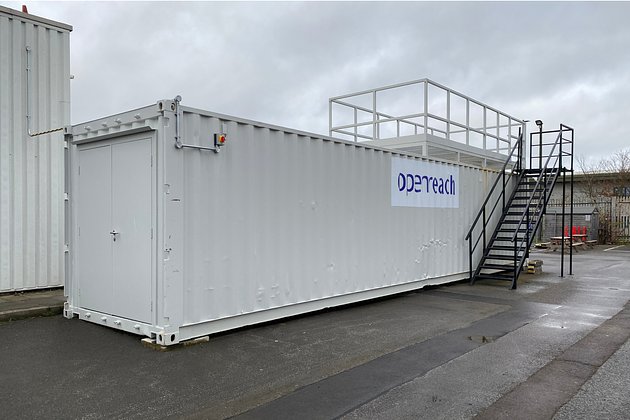
댓글목록
등록된 댓글이 없습니다.