
Are You Tired Of Window Repair? 10 Inspirational Sources To Bring Back…
페이지 정보
작성자 Hildegarde Vill… 작성일24-05-15 02:09 조회5회 댓글0건관련링크
본문
Why Window Repair Is Necessary
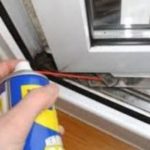 Cracks in windows can be caused by a small pebble from the lawnmower, or a heavy beverage placed on the table that has a glass top. A damaged window could let rain, wind, bugs and other undesirable elements to get into your home.
There are ways to repair a cracked glass and stop it from spreading.
Water Damage
If water is seeping through your windows, a replacement is usually required. The moisture can cause damage to the wood inside the frame of your window and cause the frame to rot. It can also reduce the energy efficiency of your window. A reputable window replacement service can replace your frames without damaging them.
Wood rot can affect the exterior and interior of your windows. If you have wooden windows with spots of rot, double Glazing repairs New Addington it might be possible to repair them if they're not too far gone. However when the rot has reached your mullions or muntins (the parts of your window frame that hold the glass panes) They may have to be rebuilt. This could cost more than a new set windows.
Another issue that is often required for replacement is a faulty seal between the double panes of your windows. This can be a result of debris or condensation between the two panes, or it could indicate that the insulation in your window has failed. A lot of modern windows have insulation built in. This means they don't face the same issues as older multi-paned windows.
A cracked, loose, rotting, or missing casing around your window is ugly and could lead to other issues. A damaged casing does not necessarily mean that it's time to change your windows, but. You may be able sand it and then repaint it to enhance its appearance based on the condition of the wood surrounding it and its condition.
If the exterior casing of your home is damaged, you may only need to apply a new coat of weather-resistant exterior painting to prevent moisture from damaging the window. The installation of a new exterior casing could be an attractive and functional upgrade to your home.
Paint that is peeling or chipped
Window sills and frames are often in close proximity to the elements and are prone to suffering from the sun and rain. Moisture is the primary reason for paint peeling around windows, particularly if the wood is exposed. The water seeps into the wood and, when it evaporates, the pressure under the film of paint causes it to peel and lose adhesion. Moisture can come from condensation on the interior, or from rain and snow on the outside. Whatever the cause it is important to clean and sand the surface and then repaint the area as soon as the paint starts to chip. Some skilled painters add a water-resistant preservative or thinned boiled Linseed oil to the wood before painting to prevent moisture penetration and make the new paint hold better.
If the paint begins to peel off the window, it's time for repairing your window. Before applying a new coat, put a drop cloth or tarp on the area you're working to catch any scattered drops of paint. Utilizing a utility knife carefully remove any loose paint. Be careful not to slash the wood below or cut into the underlying sheathing. Allow the area to dry completely after thoroughly cleaning it.
Once the surface is dry, sand the area again with a fine sanding pad. This will prepare the surface to receive primer and create a base that is ready to receive paint. Use the correct safety equipment if you're using lead-based paint. Clean the surface you sanded and tape off any adjacent surfaces, such as baseboards, to shield them from paint.
Then paint and prime as directed on the specific tin of paint you're using. Make sure you follow the temperature and curing guidelines for the paint, as these will vary depending on the type. Paint the exterior with exterior grade paint and the interior with interior-grade paint.
Repairing peeling or chipped painted frames is a cheaper alternative to replacing frames. If your window frames are damaged beyond repair, however, it could be worthwhile to upgrade them to newer windows that are more energy efficient.
Cracked Glass
A broken window can leave your home open to wind and rain, as well as bugs. If the crack or break isn't severe enough you can fix it yourself. Repair small cracks immediately before they get more severe due to temperature fluctuations or the passage of time.
There are a myriad of methods to make damaged glass invisible, this is a tall order for a DIY project. A tiny crack could cause a weakness in the glass, which could eventually lead to further breaks and a more expensive replacement. The best solution is to cover the crack with plastic. The plastic covers the crack from the outside, and prevents moisture or air from leaking through. This could damage the frames or seals around windows.
Wear safety glasses and gloves before taking the broken glass out of the frame. You'll require a utility knife, scraper, or chisel to remove any old glazing points that bind the glass in place. It is also recommended to make use of the knife to pull away any wood that is unfinished, then clean and seal the area with the oil of linseed or a clear wood sealer.
The glass can be glued back into the position with epoxy. This is the most time-intensive alternative, but it will also give your glass a more solid appearance. If you are using epoxy, select the double glazing repair Salford-cylinder type that dispenses the resin and hardener in a similar proportion. This lets you precisely control the amount of epoxy that is applied to the window, which helps ensure a solid seal.
If you have Double Glazing Repairs New Addington- or triple-pane windows, make sure that the gas fills are intact when you reset the glass. These gases are important for insulating your house and ensuring that heat is kept in during winter and out in the summer. If you remove the glass these gases will escape through the crack, double Glazing repairs New Addington causing the window to lose energy efficiency. You can replace gas fills in the same way as to repair cracks in other kinds of glass.
Cracks in windows can be caused by a small pebble from the lawnmower, or a heavy beverage placed on the table that has a glass top. A damaged window could let rain, wind, bugs and other undesirable elements to get into your home.There are ways to repair a cracked glass and stop it from spreading.
Water Damage
If water is seeping through your windows, a replacement is usually required. The moisture can cause damage to the wood inside the frame of your window and cause the frame to rot. It can also reduce the energy efficiency of your window. A reputable window replacement service can replace your frames without damaging them.
Wood rot can affect the exterior and interior of your windows. If you have wooden windows with spots of rot, double Glazing repairs New Addington it might be possible to repair them if they're not too far gone. However when the rot has reached your mullions or muntins (the parts of your window frame that hold the glass panes) They may have to be rebuilt. This could cost more than a new set windows.
Another issue that is often required for replacement is a faulty seal between the double panes of your windows. This can be a result of debris or condensation between the two panes, or it could indicate that the insulation in your window has failed. A lot of modern windows have insulation built in. This means they don't face the same issues as older multi-paned windows.
A cracked, loose, rotting, or missing casing around your window is ugly and could lead to other issues. A damaged casing does not necessarily mean that it's time to change your windows, but. You may be able sand it and then repaint it to enhance its appearance based on the condition of the wood surrounding it and its condition.
If the exterior casing of your home is damaged, you may only need to apply a new coat of weather-resistant exterior painting to prevent moisture from damaging the window. The installation of a new exterior casing could be an attractive and functional upgrade to your home.
Paint that is peeling or chipped
Window sills and frames are often in close proximity to the elements and are prone to suffering from the sun and rain. Moisture is the primary reason for paint peeling around windows, particularly if the wood is exposed. The water seeps into the wood and, when it evaporates, the pressure under the film of paint causes it to peel and lose adhesion. Moisture can come from condensation on the interior, or from rain and snow on the outside. Whatever the cause it is important to clean and sand the surface and then repaint the area as soon as the paint starts to chip. Some skilled painters add a water-resistant preservative or thinned boiled Linseed oil to the wood before painting to prevent moisture penetration and make the new paint hold better.
If the paint begins to peel off the window, it's time for repairing your window. Before applying a new coat, put a drop cloth or tarp on the area you're working to catch any scattered drops of paint. Utilizing a utility knife carefully remove any loose paint. Be careful not to slash the wood below or cut into the underlying sheathing. Allow the area to dry completely after thoroughly cleaning it.
Once the surface is dry, sand the area again with a fine sanding pad. This will prepare the surface to receive primer and create a base that is ready to receive paint. Use the correct safety equipment if you're using lead-based paint. Clean the surface you sanded and tape off any adjacent surfaces, such as baseboards, to shield them from paint.
Then paint and prime as directed on the specific tin of paint you're using. Make sure you follow the temperature and curing guidelines for the paint, as these will vary depending on the type. Paint the exterior with exterior grade paint and the interior with interior-grade paint.
Repairing peeling or chipped painted frames is a cheaper alternative to replacing frames. If your window frames are damaged beyond repair, however, it could be worthwhile to upgrade them to newer windows that are more energy efficient.
Cracked Glass
A broken window can leave your home open to wind and rain, as well as bugs. If the crack or break isn't severe enough you can fix it yourself. Repair small cracks immediately before they get more severe due to temperature fluctuations or the passage of time.
There are a myriad of methods to make damaged glass invisible, this is a tall order for a DIY project. A tiny crack could cause a weakness in the glass, which could eventually lead to further breaks and a more expensive replacement. The best solution is to cover the crack with plastic. The plastic covers the crack from the outside, and prevents moisture or air from leaking through. This could damage the frames or seals around windows.
Wear safety glasses and gloves before taking the broken glass out of the frame. You'll require a utility knife, scraper, or chisel to remove any old glazing points that bind the glass in place. It is also recommended to make use of the knife to pull away any wood that is unfinished, then clean and seal the area with the oil of linseed or a clear wood sealer.
The glass can be glued back into the position with epoxy. This is the most time-intensive alternative, but it will also give your glass a more solid appearance. If you are using epoxy, select the double glazing repair Salford-cylinder type that dispenses the resin and hardener in a similar proportion. This lets you precisely control the amount of epoxy that is applied to the window, which helps ensure a solid seal.
If you have Double Glazing Repairs New Addington- or triple-pane windows, make sure that the gas fills are intact when you reset the glass. These gases are important for insulating your house and ensuring that heat is kept in during winter and out in the summer. If you remove the glass these gases will escape through the crack, double Glazing repairs New Addington causing the window to lose energy efficiency. You can replace gas fills in the same way as to repair cracks in other kinds of glass.
댓글목록
등록된 댓글이 없습니다.