
10 Reasons That People Are Hateful Of Fresh Roasted Organic Coffee Bea…
페이지 정보
작성자 Lashawnda Beaty 작성일24-04-09 00:27 조회4회 댓글0건관련링크
본문
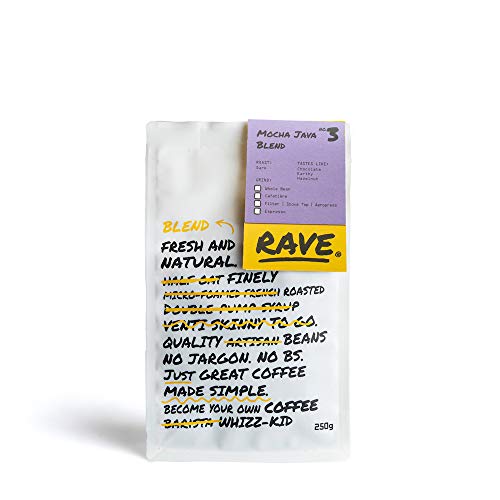 Fresh Roasted Organic Coffee Beans
Fresh organic beans that are roasted are grown without synthetic fertilizers, harmful chemicals, and pesticides. Organic farming practices are based on natural methods to improve biodiversity and health of the soil.
Organically grown coffee beans are also known to have higher levels of nutrient than traditional coffee beans. This includes vitamins, minerals and antioxidants.
Health Benefits
The organic coffee is grown without the use of chemical fertilizers, herbicides or pesticides. It is also grown in fertile soil. These factors lead to coffee with higher levels of antioxidants than organic beans. These antioxidants have been associated with a lower risk of cancer, heart disease Parkinson's disease, Alzheimer's disease, and depression.
Coffee also contains chlorogenic acid (CGA) is a kind of polyphenol that has been proven to lower blood sugar levels, lower cholesterol and increase antioxidant activity. The process of roasting can improve the health benefits of coffee by forming compounds, such as quinic and caffeic acids, as well as p-coumaric acids that have anti-inflammatory and anti-cancer properties.
Although roasting doesn't provide these health benefits but it is an important aspect of the production process that can help preserve and maximize the nutritional value of coffee. It is advised to brew coffee as soon as possible after the roasting process, so that you can get the maximum freshness and flavor.
Pre-roasted and packaged coffee beans are typically left on warehouse or grocery store shelves for a long time, causing them to lose much of their potency for health. Purity roasts green coffee beans in small batches based on the amount of orders. Then, they ship them within 48 hours, packaged in bags that are flushed out using nitrogen.
Organic certification is a lengthy procedure that can take up to two years to complete, and Fresh Roasted Organic Coffee Beans inspections are conducted regularly to ensure that the producers adhere to the standards required. It is illegal to advertise a product as "organic" without obtaining the proper certification.
In addition to the health benefits of the bean itself organic farming practices provide many other advantages for farmers as well as the environment. Conventional farms often squeeze crops into small spaces, forcing them to battle with pests for resources and requiring the use of toxic chemicals to prevent loss of crops. Organic agriculture employs natural methods, such as composting and rotation of crops, to support the soil's health and decrease the need for pesticides and herbicides. These methods also limit the amount of carbon dioxide and greenhouse gases that are released into the atmosphere.
Environment Benefits
As the demand for organic coffee increases, more and more farmers are turning to this method of farming. This is a great thing as it means that less pesticides are being used, which in turn will benefit your health. This kind of farming helps to protect the environment, which is important for everyone.
Organic coffee beans are grown in nutrient rich soil, free of harmful chemical fertilizers and synthetic chemicals. This allows the coffee plants to flourish and produce top quality, delicious tasting beans. These beans are higher in antioxidants, which help keep the body healthy from illnesses. This type of coffee is also rich in chlorogenic acid, which has antimicrobial and anti-inflammatory properties.
Conventional coffee farmers spray their fields with herbicides and pesticides to keep insects from their crops. This is not just bad for you, but also for the environment. Organic coffee is grown to ensure that the natural pests can remain in control of population of insects without the use toxic chemicals. This method of farming ensures that the soil stays healthy and full of nutrients, which will then be passed on to the coffee plant.
To ensure the freshness of the coffee, it is important to store it in a proper manner after roasting. This is best stored in an airtight container to avoid any condensation, and ideally using the use of a vacuum seal. Keep it in a dark, cool place. It is recommended to prepare the coffee ahead of time to ensure that it's as fresh and tasty as it can be.
Additionally in addition, you should ensure that the coffee is certified organic from start to end. If it's not then the taste could be compromised and there could be harmful chemicals in your cup of joe.
The process of certification of coffee is a lengthy and tedious one. To be certified organic, a coffee must undergo rigorous testing and inspection. This ensures that the coffee you purchase is a true, organic product that is grown from the ground it was grown to the cup of java you take each morning.
Ethical Benefits
Organic coffee is also an ethical choice, which helps the health of farmers and workers working in the coffee supply chain. It is because organic coffee aligns with fair-trade practices which focus on fair compensation to farmers and coffee growers. Organic farming also eliminates the use of pesticides and herbicides that could harm human health.
Many people don't realize that conventionally grown coffee beans are often contaminated with harmful chemicals, like acrylamide, which is a chemical that has been known to cause cancer. These chemicals are released when the beans are cooked in a roaster to high temperatures. Choosing an organic coffee can help lower your exposure to these harmful chemicals and ensure the flavor of your cup of coffee isn't compromised in the process!
In addition to avoiding harmful chemicals, many organic farmers also employ sustainable methods of growing and processing coffee. Equal Exchange, for example, claims that their coffee beans are produced using organic shade-grown, natural methods. Equal Exchange also claims that the majority of its beans are certified organic by Oregon Tilth. In addition, the company is a cooperative owned by workers which has 120 owners who are responsible to each other and share in any losses or profits.
The company employs eco-friendly practices in their offices and roastery, and they are on track to becoming an eco-friendly business by recycling, composting and donations. They also collaborate with small-scale coffee farmers to ensure they have the highest quality of coffee for their customers. Each bag of their coffee comes with a thorough audit. Their roaster, Aaron De Lazzer, is a Q Grader certified Expert in the coffee grading and cupping fields.
Ethical Bean is a cooperative with coffee farmers who use organic shade-grown, natural, and organic methods of cultivation. In their FAQ, they omit the question of whether or not their coffee is Certified Shade Grown, stating that the certification can be costly and burdensome for smaller farms. However, the company does promote sustainable farming practices and practices for growing and was among the first companies to use 100 percent compostable single-serve coffee pods (View Prices on Amazon). The company has partnered with Bullfrog Power for fresh roasted Organic coffee beans renewable energy to power their offices and vehicles. They offset the remaining emissions by using Gold Standard carbon offsets.
Economic Benefits
Coffee is a popular beverage across the globe. It is a great source of health benefits and it can also help increase energy levels. But, the type of coffee you drink can have an impact. If you're looking to find the best tasting coffee, make sure to select organic roasting beans. This ensures that the beans aren't exposed to pesticides during the brewing and roasting process. Pesticides may cause a negative impact on the flavor and quality of beans.
Conventional farmers use a wide variety of chemicals to grow their coffee plants. These chemicals can be dangerous to animals and humans. Organic roasted beans do not contain these chemicals and offer a number of environmental and health benefits.
Organic coffee grows in soil that is healthy that isn't contaminated by pesticides or chemicals. The soil is full of nutrients, and the absence of chemical use helps prevent water pollution and soil erosion. Organic farming also helps conserve habitats for wildlife and biodiversity in the area around it.
Contrary to the traditional coffee, organically grown coffee is generally grown in shade. The coffee tree does not like direct sunlight. To increase production conventional coffee farms clear the forests and harm the environment. Fortunately that the majority of organic coffee is produced in dense, shady rain forests, which prevents destruction of the forest and protects the ecosystem.
The result is that organic roasted beans contain many micronutrients. These include magnesium and potassium, as well as niacin and B vitamins. The soil also contains phenolic acids, such as chlorogenic acid, caffeic acid, and p-coumaric acid. These phenolic acids provide antioxidant properties that improve the function of your blood cells, reduce your cholesterol levels, and even fight cancer.
Organic freshly roasted organic coffee beans beans also contain less acrylamide (an amino acid). The controlled roasting of organic beans helps prevent the formation of acrylamide, which can cause liver and renal damage to the kidneys and liver. Roasting your own beans gives you greater control over the nutritional contents of the coffee. It's also a more rewarding and enjoyable experience.
댓글목록
등록된 댓글이 없습니다.