
The Most Common Car Diagnostics Near Me Mistake Every Newbie Makes
페이지 정보
작성자 Hudson 작성일24-03-29 00:29 조회9회 댓글0건관련링크
본문
Automotive Diagnostics
There are a variety of diagnostic tools available for use in automotive vehicles. They include back-pin probing as well as pattern recognition algorithms. In addition to identifying the failure of components these diagnostic tools may assist you in communicating via remote assistance facilities. These tools are crucial to ensure that your vehicle is safe on the road.
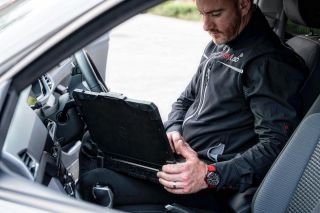 Warning system for component failure
Modern cars have many electronic and internal systems that track how the vehicle is running and can be triggered by malfunctions. A warning signal is sent to the driver in the event that a component of the vehicle is not working correctly. Some warning lights signify a minor problem like a loose gas cap. Others can be indicative of a more serious problem.
A system that detects malfunctions could store information that could be used to assist technicians identify the issue and fix it. If it detects a fault at an early time the technician is able to fix the issue quickly and easily. The owner of a vehicle can increase its security and lower maintenance costs by heeding these warnings.
Modern vehicles are equipped with a computer diagnostics system that continuously checks all major functions and systems. It also monitors fuel consumption and harmful emissions. When a component failsto function, a warning light will appear on the dashboard. This system is known as OBD and is installed on personal vehicles, trucks, and commercial vehicles. It's now a standard industry practice , and aids in diagnosing problems.
These alerts are issued in the form of Diagnostic Trouble Codes, or DTCs. They are the result of a diagnostic procedure that determines the source of a problem. Diagnostics involves a thorough search for service information and pin-point testing of the vehicle, and inspecting the affected areas. To properly diagnose a vehicle's problems it is crucial to understand the meaning behind these codes.
Communication between an automobile and an assistance facility via remote
In order for remote assistance to work with your vehicle you need to have a way to communicate with it. V2V communication (vehicle-to-vehicle) is a way to connect with other vehicles wirelessly, and to exchange information. This technology permits the transmission of omni-directional messages up to 10 times per second. It helps vehicles keep an eye on their surroundings in 360 degrees. It also collects information from nearby vehicles to warn drivers of imminent accidents. These systems can also use tactile and audible alerts to help drivers avoid accidents.
Back-pin testing
Back-pin probing, a method used in automotive diagnostics, employs a sharp point to touch automotive connectors. These probes are used in all vehicles and are generally inexpensive. They are useful for making live circuit measurements without causing harm to connectors. This is a way to avoid the need for puncturing the wire insulation.
Many technicians prefer to use back-probing for automotive diagnostics. It is much more convenient than using a wire probe to cut through insulation. These tools can be easy to insert into connectors for cars using various tips. A lot of back-probes with specialization are small in diameter, which reduces the force that is applied to the connector.
Many automotive mobile car Diagnostic kits include various connectors and probes, such as banana plugs and alligator clips. Some kits come with different tests kits. These kits will let you quickly and easily measure the electrical signals that can indicate an issue in the vehicle.
Back-pin probing is among of the most effective methods to test automotive connectors. It lets you quickly connect or disconnect the test leads. This diagnostic method is also cost-effective. This method can help save a lot of time, labour and even money.
On-board car diagnostics mobile
On-board diagnostics in automotive systems can provide drivers with vital information regarding the health of their vehicle. It can also notify them when their vehicle requires repairs or maintenance. This technology could improve the efficiency of fuel and reliability. It also can inspire manufacturers of automobiles to develop more efficient engines and improve vehicle safety. These systems can help drivers save time and money, allowing them to see how their vehicle is performing without having to visit mechanics.
Before the advent of standard on-board diagnostics , manufacturers had to develop their own systems. The initial versions of the system utilized their own connectors, electronic interfaces, and customized codes to identify problems. Volkswagen and Datsun introduced the first systems in the year 1968 and 1978. The Society of Automotive Engineers (SAE) eventually required that all cars use the technology. In addition, in 1994, California's law required that all vehicles be equipped with on-board diagnostics.
On-board diagnostics systems are so sophisticated that they are able to match the computing power of a desktop PC. They are compatible with many mid-speed networks, and are now capable of handling huge quantities of data. Additionally, many on-board diagnostics systems are equipped with a vehicle speed sensor that can accurately detect rough roads. These sensors are integrated into the vehicle's engine control module or ECU.
OBD systems can identify problems within the engine of a vehicle. They trigger a warning light in the instrument cluster. After the OBD system has identified the issue, it stores a diagnostic message. A mechanic is able to connect a scan tool to the OBD connector beneath the dashboard to examine the trouble code. Although reading a trouble code is useful, it doesn't necessarily mean that a mechanic is aware of what's wrong with the vehicle.
There are a variety of diagnostic tools available for use in automotive vehicles. They include back-pin probing as well as pattern recognition algorithms. In addition to identifying the failure of components these diagnostic tools may assist you in communicating via remote assistance facilities. These tools are crucial to ensure that your vehicle is safe on the road.
Warning system for component failureModern cars have many electronic and internal systems that track how the vehicle is running and can be triggered by malfunctions. A warning signal is sent to the driver in the event that a component of the vehicle is not working correctly. Some warning lights signify a minor problem like a loose gas cap. Others can be indicative of a more serious problem.
A system that detects malfunctions could store information that could be used to assist technicians identify the issue and fix it. If it detects a fault at an early time the technician is able to fix the issue quickly and easily. The owner of a vehicle can increase its security and lower maintenance costs by heeding these warnings.
Modern vehicles are equipped with a computer diagnostics system that continuously checks all major functions and systems. It also monitors fuel consumption and harmful emissions. When a component failsto function, a warning light will appear on the dashboard. This system is known as OBD and is installed on personal vehicles, trucks, and commercial vehicles. It's now a standard industry practice , and aids in diagnosing problems.
These alerts are issued in the form of Diagnostic Trouble Codes, or DTCs. They are the result of a diagnostic procedure that determines the source of a problem. Diagnostics involves a thorough search for service information and pin-point testing of the vehicle, and inspecting the affected areas. To properly diagnose a vehicle's problems it is crucial to understand the meaning behind these codes.
Communication between an automobile and an assistance facility via remote
In order for remote assistance to work with your vehicle you need to have a way to communicate with it. V2V communication (vehicle-to-vehicle) is a way to connect with other vehicles wirelessly, and to exchange information. This technology permits the transmission of omni-directional messages up to 10 times per second. It helps vehicles keep an eye on their surroundings in 360 degrees. It also collects information from nearby vehicles to warn drivers of imminent accidents. These systems can also use tactile and audible alerts to help drivers avoid accidents.
Back-pin testing
Back-pin probing, a method used in automotive diagnostics, employs a sharp point to touch automotive connectors. These probes are used in all vehicles and are generally inexpensive. They are useful for making live circuit measurements without causing harm to connectors. This is a way to avoid the need for puncturing the wire insulation.
Many technicians prefer to use back-probing for automotive diagnostics. It is much more convenient than using a wire probe to cut through insulation. These tools can be easy to insert into connectors for cars using various tips. A lot of back-probes with specialization are small in diameter, which reduces the force that is applied to the connector.
Many automotive mobile car Diagnostic kits include various connectors and probes, such as banana plugs and alligator clips. Some kits come with different tests kits. These kits will let you quickly and easily measure the electrical signals that can indicate an issue in the vehicle.
Back-pin probing is among of the most effective methods to test automotive connectors. It lets you quickly connect or disconnect the test leads. This diagnostic method is also cost-effective. This method can help save a lot of time, labour and even money.
On-board car diagnostics mobile
On-board diagnostics in automotive systems can provide drivers with vital information regarding the health of their vehicle. It can also notify them when their vehicle requires repairs or maintenance. This technology could improve the efficiency of fuel and reliability. It also can inspire manufacturers of automobiles to develop more efficient engines and improve vehicle safety. These systems can help drivers save time and money, allowing them to see how their vehicle is performing without having to visit mechanics.
Before the advent of standard on-board diagnostics , manufacturers had to develop their own systems. The initial versions of the system utilized their own connectors, electronic interfaces, and customized codes to identify problems. Volkswagen and Datsun introduced the first systems in the year 1968 and 1978. The Society of Automotive Engineers (SAE) eventually required that all cars use the technology. In addition, in 1994, California's law required that all vehicles be equipped with on-board diagnostics.
On-board diagnostics systems are so sophisticated that they are able to match the computing power of a desktop PC. They are compatible with many mid-speed networks, and are now capable of handling huge quantities of data. Additionally, many on-board diagnostics systems are equipped with a vehicle speed sensor that can accurately detect rough roads. These sensors are integrated into the vehicle's engine control module or ECU.
OBD systems can identify problems within the engine of a vehicle. They trigger a warning light in the instrument cluster. After the OBD system has identified the issue, it stores a diagnostic message. A mechanic is able to connect a scan tool to the OBD connector beneath the dashboard to examine the trouble code. Although reading a trouble code is useful, it doesn't necessarily mean that a mechanic is aware of what's wrong with the vehicle.
댓글목록
등록된 댓글이 없습니다.