
How To Explain Self-Emptying Robot Vacuum And Mop To Your Grandparents
페이지 정보
작성자 Albertina 작성일24-03-27 00:35 조회5회 댓글0건관련링크
본문
Self-Empting Robot Vacuum and Mop
With a self-emptying robotic mop and vacuum, you'll be able enjoy clean hands without having the machine continually stop for emptying. Mashable's Timothy Beck Wertz describes how you can concentrate on other chores while the robot cleans.
Self-emptying models come with the base station, which connects to a bin. The bin holds debris until the bin is full, which happens less often than bins that are onboard of regular robot vacuum with self empty [Suggested Looking at] vacuums.
The less intervention is required
A primary reason for buying a robot vacuum is because it's a hands-free cleaning device. If you must stop every now and robot Vacuum with self Empty then empty the trash bin on board, then it defeats the goal. Thankfully, self-emptying models return to their charging docks after the bin is full, and dump the contents into a larger dustbin there, sometimes with up to 60 days of dirt. It's still important to clean the bin periodically, but it isn't a big deal.
Self-emptying bases allow you to run your robot vacuum cleaner for longer periods of time without having to stop it each time. You can even do this when you are away from home with some models that use IFTTT to trigger the cleaning cycle in response to events such as your phone's location or the August smart lock locking the door, an Ecobee thermostat going into Away mode, and so on.
Self-emptying is a major plus with robotic mop-and-vacuum hybrids too. A lot of the top models, like our top choice one, the Combo J7, do not require any intervention from you in the form of removing and replacing a mopping pad. The arm holds the pad in on the back of the robot when it's not in use, and then lowers it when you need to mop. It's a fantastic design that has performed flawlessly during our testing.
The majority of robotic vacuums and robot vacuum with self empty mops offer connectivity via an app that allows you to define schedules and rooms, as well as use voice activation with assistants like Alexa. Some models have cameras built-in so you can monitor your bot and control it from an extended distance.
These hybrids are equipped with sensors that can map your floorplan, and can discern different sizes and types of furniture and flooring materials. This feature is beneficial for large homes that have a mixture of hardwoods and carpeting. It helps the robot avoid getting stuck between rugs or under appliances. Be aware of other features when selecting a robot, such as the battery life and the power cord that rotates and the infrared camera, which lets you check the status of the brush roll.
Less noise
A common complaint about robot vacuums is that they produce some noise as they travel around your home moving around, agitating and removing dirt and clumps. This is particularly evident when emptying the bin. Self-emptying models eliminate this problem since dirt and debris are moved from the robot's dustbin to the docking station. This storage system typically requires emptying every 30 or 60 day.
A self-emptying robot vacuum is an option to consider for those who suffer from allergies or simply do not have the time to clean out the trash bin. While a vacuum that has a self emptying base is more expensive than a model without the feature, the ease of use and lower cost of maintenance are worth it.
One downside to a self-emptying robot is that its base can be quite big and take up space in your home. This is not an issue for the majority of people, but it could be an issue if space is limited or you prefer a smaller design.
Another thing to think about is that the process of moving from your robot's dustbin to its base can be quite noisy, depending on the model you choose. As Mashable's Leah Stodart once wrote in a review of a robot vacuum, the sound generated by the vacuum can be alarming to humans and pets around. This is is crucial to take into consideration when you have pets or share your home with other living beings.
The j7 was a very efficient mop and vacuum cleaner in our tests. Its AI obstacle avoidance is great in class, avoiding pet Poop, tangled phone cords and even rogue socks that have tripped many other robots we've examined. It's a great option for families with children, since it's able to overcome obstacles that could cause trouble for less intelligent robots.
This powerful bot is highly recommended. It is able to do everything efficiently, but it has a slightly less effective mopping capability than the other contenders on our list. However, it's extremely efficient and a great option for those looking for a single bot that does all the cleaning.
Less dust
If you're prone to allergies or have family members who are an example, a self-emptying robotic vacuum can help protect your lungs by removing dust from the air. The vacuum's bag inside can hold upto 60 days worth of dust. This means you don't need to touch or release the contents back into the air.
The disadvantage of the self-emptying base is that it's generally very bulky and takes up quite a bit of space when docked in a room. It can be a little noisy when emptying. If you live in a small home or apartment, this may not be the best robot vacuum and mop combo self empty choice for you.
Standard robot vacuums that do not have a dock for self-emptying can still be a wonderful option particularly if you or your family members or friends suffer from sensitive lungs or allergies. In addition, most modern robot vacuums have an integrated HEPA filter that removes dirt and tiny particles from the air. Choose a model with an hose that can be detached from the carpet or spot cleaning hoses if want to get an efficient clean.
A robot that is able to vacuum and mop is another method of reducing dust. The Samsung Jet Bot+, for example, does just that and has a powerful cleaning system. It is equipped with an intelligent power control and can adjust its suction according to the floor type. It is equipped with fibers in the brushroll that collect dust and fine particles as well as five-stage HEPA filters.
The Roborock S8 is an elegant model that can vacuum, mop and self-empty robot vacuum the bin. It can even detect carpets and lift up its mop pads. This model has two roller brushes with 6,000 Pa suction, as well as Roborock's advanced AI obstacle avoidance.
It's up to you whether the added functionality of a vacuum cleaner that self-empties is worth it. It's a nice feature but not everyone will need it. If you're hesitant to spend the extra cash, search for a robot with a smaller dustbin capacity that is cheaper.
Less mess
A robot vacuum that self-empties is perfect for homes with carpeting or carpets that are low-pile. It can also help reduce the amount of dust in your home, particularly in the case of allergies. The machines generally move debris into a small system of storage or dustbin, which may require emptying after three or four cleaning cycles. The machines can be loud and the dust particles released during the emptying process can cause respiratory issues for those with asthma.
A good robot vacuum that self-empties is designed so that it can store the majority of debris within its storage system. It should be easy and quick to empty. However, it's important to remember that this vacuum can't take in all the dust in your home. A vacuum that lacks enough suction can leave dust and dirt behind, even after it's finished cleaning. It is recommended to clean the filter of an older vacuum on a regular basis to clear out clogs.
In addition to being easy to empty, a quality self-emptying robot vacuum must have other convenient features. It must be connected to Wi-Fi and smart home devices, like Amazon Alexa or Google Home, so that you can control it from your phone or voice assistant. It must also have a huge capacity for storing debris, and be able to switch between mopping and vacuuming.
Self-emptying robot vacuums can be expensive, but some are less than others. Shark IQ XL, for instance, is a clever robot vacuum cleaner that can both mop and vacuum. It costs less than other models. It is a great navigation tool, creating a detailed home map and allowing you label rooms and create virtual "no-go" zones. It also comes with a dual-mode mop system with multi-surface rubber brushes, as well as an enclosed dirt bin that is easier to empty than bags of other models.
A self-emptying robotic mop and vacuum is a wonderful convenience, but not necessary for most homes. If you're thinking of buying a robot vacuum, think about the layout of your home and whether it has hardwood or carpet flooring. Think about how long you'd like to spend cleaning the area prior to starting a cleaning cycle. Select a product that includes the features you're most likely to utilize.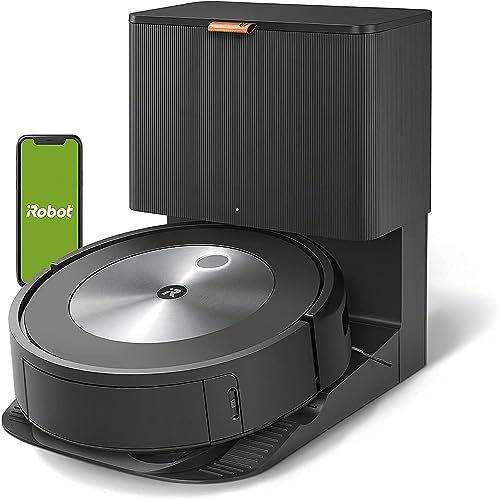
With a self-emptying robotic mop and vacuum, you'll be able enjoy clean hands without having the machine continually stop for emptying. Mashable's Timothy Beck Wertz describes how you can concentrate on other chores while the robot cleans.
Self-emptying models come with the base station, which connects to a bin. The bin holds debris until the bin is full, which happens less often than bins that are onboard of regular robot vacuum with self empty [Suggested Looking at] vacuums.
The less intervention is required
A primary reason for buying a robot vacuum is because it's a hands-free cleaning device. If you must stop every now and robot Vacuum with self Empty then empty the trash bin on board, then it defeats the goal. Thankfully, self-emptying models return to their charging docks after the bin is full, and dump the contents into a larger dustbin there, sometimes with up to 60 days of dirt. It's still important to clean the bin periodically, but it isn't a big deal.
Self-emptying bases allow you to run your robot vacuum cleaner for longer periods of time without having to stop it each time. You can even do this when you are away from home with some models that use IFTTT to trigger the cleaning cycle in response to events such as your phone's location or the August smart lock locking the door, an Ecobee thermostat going into Away mode, and so on.
Self-emptying is a major plus with robotic mop-and-vacuum hybrids too. A lot of the top models, like our top choice one, the Combo J7, do not require any intervention from you in the form of removing and replacing a mopping pad. The arm holds the pad in on the back of the robot when it's not in use, and then lowers it when you need to mop. It's a fantastic design that has performed flawlessly during our testing.
The majority of robotic vacuums and robot vacuum with self empty mops offer connectivity via an app that allows you to define schedules and rooms, as well as use voice activation with assistants like Alexa. Some models have cameras built-in so you can monitor your bot and control it from an extended distance.
These hybrids are equipped with sensors that can map your floorplan, and can discern different sizes and types of furniture and flooring materials. This feature is beneficial for large homes that have a mixture of hardwoods and carpeting. It helps the robot avoid getting stuck between rugs or under appliances. Be aware of other features when selecting a robot, such as the battery life and the power cord that rotates and the infrared camera, which lets you check the status of the brush roll.
Less noise
A common complaint about robot vacuums is that they produce some noise as they travel around your home moving around, agitating and removing dirt and clumps. This is particularly evident when emptying the bin. Self-emptying models eliminate this problem since dirt and debris are moved from the robot's dustbin to the docking station. This storage system typically requires emptying every 30 or 60 day.
A self-emptying robot vacuum is an option to consider for those who suffer from allergies or simply do not have the time to clean out the trash bin. While a vacuum that has a self emptying base is more expensive than a model without the feature, the ease of use and lower cost of maintenance are worth it.
One downside to a self-emptying robot is that its base can be quite big and take up space in your home. This is not an issue for the majority of people, but it could be an issue if space is limited or you prefer a smaller design.
Another thing to think about is that the process of moving from your robot's dustbin to its base can be quite noisy, depending on the model you choose. As Mashable's Leah Stodart once wrote in a review of a robot vacuum, the sound generated by the vacuum can be alarming to humans and pets around. This is is crucial to take into consideration when you have pets or share your home with other living beings.
The j7 was a very efficient mop and vacuum cleaner in our tests. Its AI obstacle avoidance is great in class, avoiding pet Poop, tangled phone cords and even rogue socks that have tripped many other robots we've examined. It's a great option for families with children, since it's able to overcome obstacles that could cause trouble for less intelligent robots.
This powerful bot is highly recommended. It is able to do everything efficiently, but it has a slightly less effective mopping capability than the other contenders on our list. However, it's extremely efficient and a great option for those looking for a single bot that does all the cleaning.
Less dust
If you're prone to allergies or have family members who are an example, a self-emptying robotic vacuum can help protect your lungs by removing dust from the air. The vacuum's bag inside can hold upto 60 days worth of dust. This means you don't need to touch or release the contents back into the air.
The disadvantage of the self-emptying base is that it's generally very bulky and takes up quite a bit of space when docked in a room. It can be a little noisy when emptying. If you live in a small home or apartment, this may not be the best robot vacuum and mop combo self empty choice for you.
Standard robot vacuums that do not have a dock for self-emptying can still be a wonderful option particularly if you or your family members or friends suffer from sensitive lungs or allergies. In addition, most modern robot vacuums have an integrated HEPA filter that removes dirt and tiny particles from the air. Choose a model with an hose that can be detached from the carpet or spot cleaning hoses if want to get an efficient clean.
A robot that is able to vacuum and mop is another method of reducing dust. The Samsung Jet Bot+, for example, does just that and has a powerful cleaning system. It is equipped with an intelligent power control and can adjust its suction according to the floor type. It is equipped with fibers in the brushroll that collect dust and fine particles as well as five-stage HEPA filters.
The Roborock S8 is an elegant model that can vacuum, mop and self-empty robot vacuum the bin. It can even detect carpets and lift up its mop pads. This model has two roller brushes with 6,000 Pa suction, as well as Roborock's advanced AI obstacle avoidance.
It's up to you whether the added functionality of a vacuum cleaner that self-empties is worth it. It's a nice feature but not everyone will need it. If you're hesitant to spend the extra cash, search for a robot with a smaller dustbin capacity that is cheaper.
Less mess
A robot vacuum that self-empties is perfect for homes with carpeting or carpets that are low-pile. It can also help reduce the amount of dust in your home, particularly in the case of allergies. The machines generally move debris into a small system of storage or dustbin, which may require emptying after three or four cleaning cycles. The machines can be loud and the dust particles released during the emptying process can cause respiratory issues for those with asthma.
A good robot vacuum that self-empties is designed so that it can store the majority of debris within its storage system. It should be easy and quick to empty. However, it's important to remember that this vacuum can't take in all the dust in your home. A vacuum that lacks enough suction can leave dust and dirt behind, even after it's finished cleaning. It is recommended to clean the filter of an older vacuum on a regular basis to clear out clogs.
In addition to being easy to empty, a quality self-emptying robot vacuum must have other convenient features. It must be connected to Wi-Fi and smart home devices, like Amazon Alexa or Google Home, so that you can control it from your phone or voice assistant. It must also have a huge capacity for storing debris, and be able to switch between mopping and vacuuming.
Self-emptying robot vacuums can be expensive, but some are less than others. Shark IQ XL, for instance, is a clever robot vacuum cleaner that can both mop and vacuum. It costs less than other models. It is a great navigation tool, creating a detailed home map and allowing you label rooms and create virtual "no-go" zones. It also comes with a dual-mode mop system with multi-surface rubber brushes, as well as an enclosed dirt bin that is easier to empty than bags of other models.
A self-emptying robotic mop and vacuum is a wonderful convenience, but not necessary for most homes. If you're thinking of buying a robot vacuum, think about the layout of your home and whether it has hardwood or carpet flooring. Think about how long you'd like to spend cleaning the area prior to starting a cleaning cycle. Select a product that includes the features you're most likely to utilize.
댓글목록
등록된 댓글이 없습니다.