
What's The Reason Self Emptying Robot Vacuum Is Fast Becoming The Most…
페이지 정보
작성자 Florrie Angles 작성일24-03-08 00:23 조회4회 댓글0건관련링크
본문
The Convenience of a Self Emptying Robot Vacuum
A robot vacuum that self-empties stores debris in a large storage bin inside its docking station, instead of dispersing them out into the air. This is a huge deal for those with allergies.
If you live in a big home, look for models with a long runtime and a big dustbin that can return to its original location to recharge between cleaning sessions. App integration is also important, allowing you to create zones that are not allowed to be used or alter settings such as suction power.
1. Less Icky
One of the major drawbacks of regular robotic vacs is that they usually have tiny dustbins that need manual emptying after every couple of cleaning sessions. This can be a hassle particularly if someone in your home is allergic to something The emptying of the small dust bin usually results in a haze of noxious debris being kicked up into the air. This issue can be solved with self-emptying robots that automatically empty their collection canisters into a larger bin. This allows the dream of an automated household closer to reality.
Generally, self-emptying robots have an exclusive dock that not only charges the device but is also connected to a number of vacuums that pull dirt and debris out of the canister for collection and then store it in a large container. When the canister is empty the device will return to its dock and empty its contents. It will then shift to another part of the house to clean. This process is much less bothersome than emptying the dust bin onboard and is also much easier to accomplish since you won't be inhaling the debris being released into the air as it occurs.
The self-emptying feature can be costly, which makes it an advantage. It's important to consider this when selecting the best model for your requirements. You'll also want to make sure that the size of the canister is sufficient for the frequency of cleaning you want and the size of your home.
A self-emptying robot vacuum isn't essential for all, but it can be an essential tool for allergy sufferers and busy families that are looking to cut down on time and avoid the hassle of emptying a dustbin. It's a great solution for those who have large homes that are too large to be swept by a single machine.
Many self-emptying robots are designed to make your life easier and come with features such as app control and mapping technology, scheduling capabilities mop/vacuum switch features, and much more. They can also be connected to Wi-Fi and smart home devices which allows you to control them even if you're away from home.
2. Reduce Waste
The tiny robots that shuffle around your home and pick up dirt and pet hair can be great but their tiny dustbins require regular emptying. They can also get caught in random objects like loose shoelaces phones, pet chargers, and shoelaces toys, or get caught on door thresholds and rugs.
Self-emptying models provide a solution to the problem of the dust bin with the tiny robot vacuums. They return to their original position when the canister is filled and empty the dirty debris into a high-height bin which houses a paper bag. The vacuum then returns to the programed routine.
These models also know when the battery is running low. This allows them to pause the cleaning process and return back to their base for charging, only to return to where they left off when the battery is fully charged again. If you're looking for even more convenience, choose one that can be scheduled at specific times (such as every three months) to empty itself.
These models are still more expensive than standard robot vacs but they're worth the investment for certain homes, especially for those with respiratory allergies or other respiratory ailments. They're designed to trap an even greater amount of dust hair, pet hair, and other allergens than conventional vacs, which means they can lessen the symptoms.
The latest robotic vacuums employ intelligent technology to map your entire home prior to each cleaning session, which makes them more efficient than their previous counterparts. They can also create "no go" zones that stay clear of certain areas like a rug or a child's toy. Some allow the scheduling of cleaning sessions each week, daily or even while you're away. Certain models have a voice assistant as well as remote control for convenience. They're ideal for busy households who can benefit from having a healthier, cleaner living space, without spending lots of time doing the chores.
3. Reduced Time
Self-emptying robot vacuums are one of the most lengthy steps out of the process. While self-emptying models do require their onboard dust bins emptied after every cleaning session These models automatically transfer the debris from their onboard dustbin to a larger container at their base station once they notice that the bin is full. This reduces the need to stop cleaning sessions in order to empty the bin, and makes them a lot less of a hassle for busy people, especially those with mobility issues.
To test the capacity of a self-emptying robot to transfer debris from its dustbin to the base that it is charging, we added a weighted amount of dry debris to the robot's dustbin and measured the percentage that landed in the receptacle for charging docks. In our tests, models that moved a greater percentage of the dry debris to the dustbin bag that is used for charging the base or bin received a better score.
This is especially useful for busy families or people with mobility concerns, since it removes the need to stop cleaning to empty and open the dust bin that is built into the robot. If you'd like to keep an eye on your robot's progress, some models can be connected to voice assistants like Alexa or Google Home so that you can control them with only a few simple commands. You can create no-go zones and check the robot's performance. You can also alter settings and schedule cleaning sessions.
Although a bagless self-emptying robot vacuum vacuum is easier to use, it is louder than traditional vacuums. This is a crucial aspect to consider if you're sensitive to noise. If you are concerned about noise levels you can search for robots with the Quiet Mode. You can also schedule your cleaning times when you are away from home.
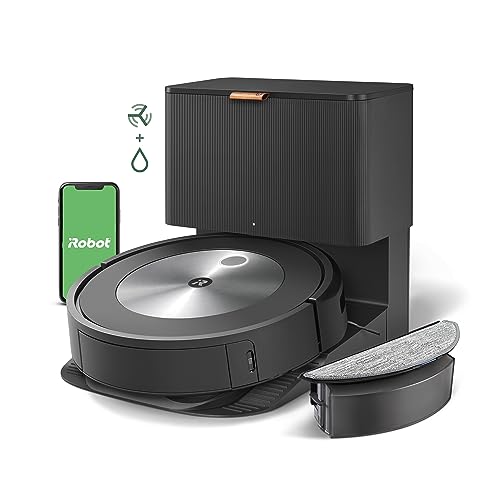 These robots are easier to operate as a result. This lets you utilize them more frequently, and keeps your floors in good condition for longer.
4. Less Money
As a convenient feature as a convenience feature, the self-emptying robot vacuum adds value and good utility to compatible robot vacuum models. The dust bin can be messy and time-consuming to empty, which is why this feature makes it easier for you to. It also makes it easier to use in larger spaces where you might require it to run more frequently, without risk of overfilling the bin and reintroducing debris into your home.
Self-emptying robots can be a bit more expensive than other types of robots. This is due to the fact that they have more sophisticated systems to manage and store the dirt and waste they accumulate. Some have an automatic hopper that disposes of the waste collected into a bin, but the capacity usually limited to around 2.5-3 litres. This means you'll only need to empty it every two or three cleaning cycles, which could help you avoid a lot of mess and hassle over the life of the robot.
Self-emptying robots that are the most advanced can also create an extensive home map, which allows you to label rooms and to set up virtual no-go areas. Some of them can be controlled by voice assistants, such as Alexa. The best models aren't inexpensive. They can cost more than $1000.
Although a vacuum that self-empties will help you save time, it's not completely foolproof. The most savvy of robot vacuums could be stuck under furniture, on thresholds for doors or rugs that are thick and can be caught by things like cords, shoelaces, phone chargers and pet toys. If this happens, you may require thorough inspection of the floor prior to letting your robot go. It might also quit and notify you via SOS.
The other disadvantage of the self-emptying system is that it's an extremely heavy and bulky unit. This makes it difficult for robots fit into tight places. It also takes up a fair amount of space on your kitchen counter or coffee table, especially when you choose a model with an external bin that holds up to six tonnes of waste.
A robot vacuum that self-empties stores debris in a large storage bin inside its docking station, instead of dispersing them out into the air. This is a huge deal for those with allergies.
If you live in a big home, look for models with a long runtime and a big dustbin that can return to its original location to recharge between cleaning sessions. App integration is also important, allowing you to create zones that are not allowed to be used or alter settings such as suction power.
1. Less Icky
One of the major drawbacks of regular robotic vacs is that they usually have tiny dustbins that need manual emptying after every couple of cleaning sessions. This can be a hassle particularly if someone in your home is allergic to something The emptying of the small dust bin usually results in a haze of noxious debris being kicked up into the air. This issue can be solved with self-emptying robots that automatically empty their collection canisters into a larger bin. This allows the dream of an automated household closer to reality.
Generally, self-emptying robots have an exclusive dock that not only charges the device but is also connected to a number of vacuums that pull dirt and debris out of the canister for collection and then store it in a large container. When the canister is empty the device will return to its dock and empty its contents. It will then shift to another part of the house to clean. This process is much less bothersome than emptying the dust bin onboard and is also much easier to accomplish since you won't be inhaling the debris being released into the air as it occurs.
The self-emptying feature can be costly, which makes it an advantage. It's important to consider this when selecting the best model for your requirements. You'll also want to make sure that the size of the canister is sufficient for the frequency of cleaning you want and the size of your home.
A self-emptying robot vacuum isn't essential for all, but it can be an essential tool for allergy sufferers and busy families that are looking to cut down on time and avoid the hassle of emptying a dustbin. It's a great solution for those who have large homes that are too large to be swept by a single machine.
Many self-emptying robots are designed to make your life easier and come with features such as app control and mapping technology, scheduling capabilities mop/vacuum switch features, and much more. They can also be connected to Wi-Fi and smart home devices which allows you to control them even if you're away from home.
2. Reduce Waste
The tiny robots that shuffle around your home and pick up dirt and pet hair can be great but their tiny dustbins require regular emptying. They can also get caught in random objects like loose shoelaces phones, pet chargers, and shoelaces toys, or get caught on door thresholds and rugs.
Self-emptying models provide a solution to the problem of the dust bin with the tiny robot vacuums. They return to their original position when the canister is filled and empty the dirty debris into a high-height bin which houses a paper bag. The vacuum then returns to the programed routine.
These models also know when the battery is running low. This allows them to pause the cleaning process and return back to their base for charging, only to return to where they left off when the battery is fully charged again. If you're looking for even more convenience, choose one that can be scheduled at specific times (such as every three months) to empty itself.
These models are still more expensive than standard robot vacs but they're worth the investment for certain homes, especially for those with respiratory allergies or other respiratory ailments. They're designed to trap an even greater amount of dust hair, pet hair, and other allergens than conventional vacs, which means they can lessen the symptoms.
The latest robotic vacuums employ intelligent technology to map your entire home prior to each cleaning session, which makes them more efficient than their previous counterparts. They can also create "no go" zones that stay clear of certain areas like a rug or a child's toy. Some allow the scheduling of cleaning sessions each week, daily or even while you're away. Certain models have a voice assistant as well as remote control for convenience. They're ideal for busy households who can benefit from having a healthier, cleaner living space, without spending lots of time doing the chores.
3. Reduced Time
Self-emptying robot vacuums are one of the most lengthy steps out of the process. While self-emptying models do require their onboard dust bins emptied after every cleaning session These models automatically transfer the debris from their onboard dustbin to a larger container at their base station once they notice that the bin is full. This reduces the need to stop cleaning sessions in order to empty the bin, and makes them a lot less of a hassle for busy people, especially those with mobility issues.
To test the capacity of a self-emptying robot to transfer debris from its dustbin to the base that it is charging, we added a weighted amount of dry debris to the robot's dustbin and measured the percentage that landed in the receptacle for charging docks. In our tests, models that moved a greater percentage of the dry debris to the dustbin bag that is used for charging the base or bin received a better score.
This is especially useful for busy families or people with mobility concerns, since it removes the need to stop cleaning to empty and open the dust bin that is built into the robot. If you'd like to keep an eye on your robot's progress, some models can be connected to voice assistants like Alexa or Google Home so that you can control them with only a few simple commands. You can create no-go zones and check the robot's performance. You can also alter settings and schedule cleaning sessions.
Although a bagless self-emptying robot vacuum vacuum is easier to use, it is louder than traditional vacuums. This is a crucial aspect to consider if you're sensitive to noise. If you are concerned about noise levels you can search for robots with the Quiet Mode. You can also schedule your cleaning times when you are away from home.
These robots are easier to operate as a result. This lets you utilize them more frequently, and keeps your floors in good condition for longer.4. Less Money
As a convenient feature as a convenience feature, the self-emptying robot vacuum adds value and good utility to compatible robot vacuum models. The dust bin can be messy and time-consuming to empty, which is why this feature makes it easier for you to. It also makes it easier to use in larger spaces where you might require it to run more frequently, without risk of overfilling the bin and reintroducing debris into your home.
Self-emptying robots can be a bit more expensive than other types of robots. This is due to the fact that they have more sophisticated systems to manage and store the dirt and waste they accumulate. Some have an automatic hopper that disposes of the waste collected into a bin, but the capacity usually limited to around 2.5-3 litres. This means you'll only need to empty it every two or three cleaning cycles, which could help you avoid a lot of mess and hassle over the life of the robot.
Self-emptying robots that are the most advanced can also create an extensive home map, which allows you to label rooms and to set up virtual no-go areas. Some of them can be controlled by voice assistants, such as Alexa. The best models aren't inexpensive. They can cost more than $1000.
Although a vacuum that self-empties will help you save time, it's not completely foolproof. The most savvy of robot vacuums could be stuck under furniture, on thresholds for doors or rugs that are thick and can be caught by things like cords, shoelaces, phone chargers and pet toys. If this happens, you may require thorough inspection of the floor prior to letting your robot go. It might also quit and notify you via SOS.
The other disadvantage of the self-emptying system is that it's an extremely heavy and bulky unit. This makes it difficult for robots fit into tight places. It also takes up a fair amount of space on your kitchen counter or coffee table, especially when you choose a model with an external bin that holds up to six tonnes of waste.
댓글목록
등록된 댓글이 없습니다.