
Washer Dryer Heat Pump Strategies From The Top In The Business
페이지 정보
작성자 Hassie Rowcroft 작성일24-03-05 00:00 조회7회 댓글0건관련링크
본문
Why Buy a Washer Dryer Heat Pump?
You should consider a model with a heat pump to find an appliance that can wash and dry both. Ventless dryers can take a little bit longer to dry, and consume more power than traditional vented dryers. However they are also quieter and don't require ducting or ventilation.
They use a heat pump loop to move air around and recirculate water that evaporates from the clothes into the drain tube. Learn more about the technologies that make up these ENERGY STAR-certified machines.
Evaporative Drying
Evaporative drying makes use of hot air to evaporate water and remove the moisture from your clothes. It takes longer to evaporate than dryers which use heat. However as NYC is moving towards a half natural gas energy mix and a greater use of renewable sources of energy in the next 10-20 years you can anticipate an improvement in dryer efficiency. In the case a washer dryer, heat is extracted from the air using electricity. They use less energy as a result.
A heat pump dryer functions similar to a conventional dryer however, it is equipped with the air conditioning components of a refrigeration system (evaporator and condenser). The refrigerant cycle's cooling segment is used to dehumidify dry air which then passes through the heat pump's evaporator. The dryer then re-heats the dry dehumidified air to provide the drying heat.
This process produces a lot of condensation water that needs to be removed. This can be done manually with a draining hose or using an instrument that directs the water flow from the airflow to a tub or sink in the laundry room. Researchers have studied the effectiveness of heat pumps in drying processes. They have focused on assessing their performance in relation to dehumidification. A useful technique for this is exergy analysis. Exergy analysis compared the actual effectiveness of a process to its ideal performance. This can be determined by determining the amount of energy needed to achieve the desired outcomes in the process.
The process should theoretically produce energy that is equal to its input or greater, but this isn't always possible especially in a heat pump dryer. This is due to the fact that the energy generated by the evaporation process is also comprised of a certain amount of latent heat from the vaporization process, which can change in relation to temperature.
Researchers have studied the performance a heat-pump dryer using a computer-generated simulation. The results of this study suggest that the energy efficiency of a heat pump dryer is contingent on the amount of dehumidification power it produces as well as the temperature of the air in the evaporator, as well as the ratio of recirculating air versus dry air in the evaporator.
Drying of Water Condensation
If you're looking for a way to dry your clothes even more environmentally friendly than evaporative dryers, then you can purchase washer dryer heat pumps that use water condensation. These units are usually more expensive, but they can be more affordable to run.
The majority of combination washer-dryers utilize condensation drying. They work like regular tumble dryers heat pump vs condenser dryers except they heat and cool the air that is pulled from the clothes, so that the moisture is converted into water, Tumble Dryers Heat Pump Vs Condenser which is then drained away. The cooled air is then returned to the drum for more heating and further evaporation that process continues until the clothes are dry.
The energy required by these dryers is much less than that used by gas or old-style electric dryers however they're still more than two times as expensive to operate as standard models. The dryers must heat a lot of the air in order to vent it out.
This can be more than the energy that is saved by the unit itself, which is why these washer/dryers are best suited to households with low electricity costs.
If you have a laundry area with a window and a window, you can save more by connecting the dryer to a drainpipe that connects directly outside. This is known as ventless dryer.
If you choose to purchase dryers that employ this technique, make sure to connect it correctly. The connector for the hose is on the right side of the dryer and usually, you'll find a place to store the hose next to it. Gently detach the existing pipe from the connector and insert the included hose into the holder that is freed. Be sure that the hose does not hang in the holder farther than 10cm. This could cause it to become disconnected from the dryer and cease to function.
Ventless Dryers
Ventless dryers can be an ideal option for NYC homeowners who live in apartments or homes that don't allow traditional vented dryers. The appliances are energy efficient and use less gas than vented dryers, which means they can save money over time. They also require less space and do not require an outside vent or duct system. You can install a vented dryer in your laundry room or else within the home.
Ventless dryers dry clothes using two methods: either air-toair condensation or cool-water condensation. They transfer heat from air to the clothes within the drum. This helps them to be more energy efficient than vented dryers.
Since they do not rely on hot air to dry your clothes They are gentler on the fabric. This is important because too much heat can damage delicate fabrics and cause fading or color running, particularly if your garments are made from synthetic materials.
Additionally the heat pump dryer is more efficient than a condensing dryer in terms of energy consumption. They accomplish this by using an evaporator which converts the moisture in the air into water. This is a closed-loop process, so they do not generate any waste.
The only thing to be aware of with these appliances is that they do require regular maintenance to ensure optimal effectiveness. They should be regularly cleaned of any condensed water and cleaned of lint. Some models have a built-in water reservoir which must be emptied regularly, while others are connected to a drain in the plumbing to allow the water to be flushed away automatically. The lint trap must be checked and cleaned regularly to ensure the longevity of the appliance.
Energy Efficiency
With the cost of energy rising and no signs of relief it is logical for laundry rooms to search ways to reduce their energy consumption. A simple replacement for a conventional dryer with a washer heat pump can drastically reduce energy bills and to protect the environment.
These systems draw air from outside, and make use of refrigerants to draw heat from that air. It is then pumped through a heat exchanger and converted to heat that is used to dry clothes. The heat pump tumble dryer uk is then transferred to the drum of the dryer, and then used to power the entire cycle. The heat is also used to wash. The dryer utilizes hot water to drive its spin cycle. This helps reduce energy use and helps save money.
This system operates in two closed cycles, one for the air and another for the refrigerant. The first cycle utilizes a fan to blow warm outside air over fins located on the cold side of the heatpump. This air collects heat energy, and is later transferred to coils on this side. The air is then blown over the fins on the hot side in order to pick up more energy. This process continues throughout the drying process.
When the air is saturated with heat, it goes through a second set of coils on the cold side of the pump, and turns into liquid. The liquid is then transported to a compressor that increases the temperature and transforms it into gas. The liquid is then pumped through the dryer, where it evaporates into hot air and then dries the clothes.
The dryer then blows out hot air which reduces energy use by an impressive amount. The only remaining energy source comes from the motor that powers the dryer's drum which consumes a minimal amount of energy at all times.
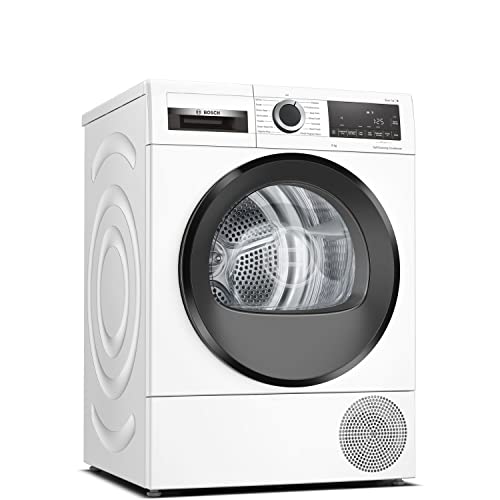 Compared to traditional dryers, which are rated at an Energy Star rating of around 4.3 These tumble dryers with heat pump can be as much as 28 percent more efficient. This is due to the fact that these dryers don't need a vent and can operate at the same temperature as your central heating system. The absence of vents for dryers can also lower the cost of installation and increases the overall efficiency of your home's energy usage.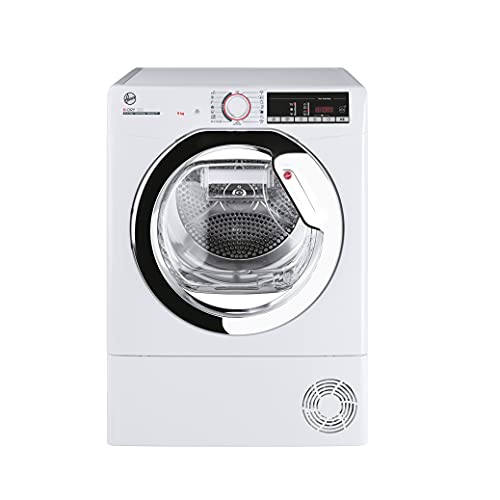
You should consider a model with a heat pump to find an appliance that can wash and dry both. Ventless dryers can take a little bit longer to dry, and consume more power than traditional vented dryers. However they are also quieter and don't require ducting or ventilation.
They use a heat pump loop to move air around and recirculate water that evaporates from the clothes into the drain tube. Learn more about the technologies that make up these ENERGY STAR-certified machines.
Evaporative Drying
Evaporative drying makes use of hot air to evaporate water and remove the moisture from your clothes. It takes longer to evaporate than dryers which use heat. However as NYC is moving towards a half natural gas energy mix and a greater use of renewable sources of energy in the next 10-20 years you can anticipate an improvement in dryer efficiency. In the case a washer dryer, heat is extracted from the air using electricity. They use less energy as a result.
A heat pump dryer functions similar to a conventional dryer however, it is equipped with the air conditioning components of a refrigeration system (evaporator and condenser). The refrigerant cycle's cooling segment is used to dehumidify dry air which then passes through the heat pump's evaporator. The dryer then re-heats the dry dehumidified air to provide the drying heat.
This process produces a lot of condensation water that needs to be removed. This can be done manually with a draining hose or using an instrument that directs the water flow from the airflow to a tub or sink in the laundry room. Researchers have studied the effectiveness of heat pumps in drying processes. They have focused on assessing their performance in relation to dehumidification. A useful technique for this is exergy analysis. Exergy analysis compared the actual effectiveness of a process to its ideal performance. This can be determined by determining the amount of energy needed to achieve the desired outcomes in the process.
The process should theoretically produce energy that is equal to its input or greater, but this isn't always possible especially in a heat pump dryer. This is due to the fact that the energy generated by the evaporation process is also comprised of a certain amount of latent heat from the vaporization process, which can change in relation to temperature.
Researchers have studied the performance a heat-pump dryer using a computer-generated simulation. The results of this study suggest that the energy efficiency of a heat pump dryer is contingent on the amount of dehumidification power it produces as well as the temperature of the air in the evaporator, as well as the ratio of recirculating air versus dry air in the evaporator.
Drying of Water Condensation
If you're looking for a way to dry your clothes even more environmentally friendly than evaporative dryers, then you can purchase washer dryer heat pumps that use water condensation. These units are usually more expensive, but they can be more affordable to run.
The majority of combination washer-dryers utilize condensation drying. They work like regular tumble dryers heat pump vs condenser dryers except they heat and cool the air that is pulled from the clothes, so that the moisture is converted into water, Tumble Dryers Heat Pump Vs Condenser which is then drained away. The cooled air is then returned to the drum for more heating and further evaporation that process continues until the clothes are dry.
The energy required by these dryers is much less than that used by gas or old-style electric dryers however they're still more than two times as expensive to operate as standard models. The dryers must heat a lot of the air in order to vent it out.
This can be more than the energy that is saved by the unit itself, which is why these washer/dryers are best suited to households with low electricity costs.
If you have a laundry area with a window and a window, you can save more by connecting the dryer to a drainpipe that connects directly outside. This is known as ventless dryer.
If you choose to purchase dryers that employ this technique, make sure to connect it correctly. The connector for the hose is on the right side of the dryer and usually, you'll find a place to store the hose next to it. Gently detach the existing pipe from the connector and insert the included hose into the holder that is freed. Be sure that the hose does not hang in the holder farther than 10cm. This could cause it to become disconnected from the dryer and cease to function.
Ventless Dryers
Ventless dryers can be an ideal option for NYC homeowners who live in apartments or homes that don't allow traditional vented dryers. The appliances are energy efficient and use less gas than vented dryers, which means they can save money over time. They also require less space and do not require an outside vent or duct system. You can install a vented dryer in your laundry room or else within the home.
Ventless dryers dry clothes using two methods: either air-toair condensation or cool-water condensation. They transfer heat from air to the clothes within the drum. This helps them to be more energy efficient than vented dryers.
Since they do not rely on hot air to dry your clothes They are gentler on the fabric. This is important because too much heat can damage delicate fabrics and cause fading or color running, particularly if your garments are made from synthetic materials.
Additionally the heat pump dryer is more efficient than a condensing dryer in terms of energy consumption. They accomplish this by using an evaporator which converts the moisture in the air into water. This is a closed-loop process, so they do not generate any waste.
The only thing to be aware of with these appliances is that they do require regular maintenance to ensure optimal effectiveness. They should be regularly cleaned of any condensed water and cleaned of lint. Some models have a built-in water reservoir which must be emptied regularly, while others are connected to a drain in the plumbing to allow the water to be flushed away automatically. The lint trap must be checked and cleaned regularly to ensure the longevity of the appliance.
Energy Efficiency
With the cost of energy rising and no signs of relief it is logical for laundry rooms to search ways to reduce their energy consumption. A simple replacement for a conventional dryer with a washer heat pump can drastically reduce energy bills and to protect the environment.
These systems draw air from outside, and make use of refrigerants to draw heat from that air. It is then pumped through a heat exchanger and converted to heat that is used to dry clothes. The heat pump tumble dryer uk is then transferred to the drum of the dryer, and then used to power the entire cycle. The heat is also used to wash. The dryer utilizes hot water to drive its spin cycle. This helps reduce energy use and helps save money.
This system operates in two closed cycles, one for the air and another for the refrigerant. The first cycle utilizes a fan to blow warm outside air over fins located on the cold side of the heatpump. This air collects heat energy, and is later transferred to coils on this side. The air is then blown over the fins on the hot side in order to pick up more energy. This process continues throughout the drying process.
When the air is saturated with heat, it goes through a second set of coils on the cold side of the pump, and turns into liquid. The liquid is then transported to a compressor that increases the temperature and transforms it into gas. The liquid is then pumped through the dryer, where it evaporates into hot air and then dries the clothes.
The dryer then blows out hot air which reduces energy use by an impressive amount. The only remaining energy source comes from the motor that powers the dryer's drum which consumes a minimal amount of energy at all times.
Compared to traditional dryers, which are rated at an Energy Star rating of around 4.3 These tumble dryers with heat pump can be as much as 28 percent more efficient. This is due to the fact that these dryers don't need a vent and can operate at the same temperature as your central heating system. The absence of vents for dryers can also lower the cost of installation and increases the overall efficiency of your home's energy usage.댓글목록
등록된 댓글이 없습니다.