
What Is Electric Stove Fire And Why Is Everyone Talking About It?
페이지 정보
작성자 Jason 작성일24-02-06 00:44 조회4회 댓글0건관련링크
본문
Causes of Electric Stove Fires
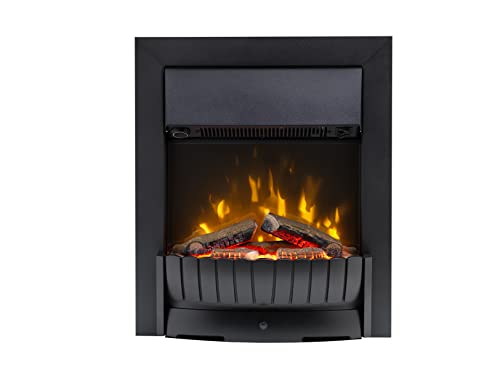 Electric stoves are convenient but they can also ignite fires that can cause hundreds of thousands of dollars of destruction and even death. A malfunctioning electrical system can cause a fire to begin within the stove or an area nearby.
Use the following safety precautions to prevent these types of fires.
Damaged Electrical Outlets
Electrical outlets that have been exposed to water, or burned, can short circuit. This causes the wires to get hot and then start to burn. This can be risky for fire and your stove may catch fire. If you notice any indications of a damaged socket, switch off the power at the circuit breakers and contact an electrician right away.
Be aware of other red flags, such as discoloration, melting plastic or burning smells. If you hear a loud popping noise, this could be another indicator that the outlet should be replaced.
Every electrical conductor has a maximum current that it is able to safely handle. If you plug a heavy machine into a outlet that is not able to supply enough power and the conductor overheats, it will and start to smolder. Over time, this can lead to an explosion that could damage your wiring and cause fire in your electric stove or other appliances.
If you have an older home with outdated wiring it could be an issue. These outdated systems may not be able meet the demands on electricity from your appliances, which could overburden the circuit and trigger an explosion. It is essential to have your old wires inspected by a professional every year.
The most common way for an electrical outlet to catch fire is when a plugged-in appliance overheats. This overheating can occur when the heat generated by the appliance causes the cords to melt or the insulation to break down. This could be a hazardous situation, as the hot, melted wiring can ignite and ignite fires in your stove, or in other appliances.
If you suspect that your stove is overheating, you must immediately turn off the power and use an extinguisher for small fires to put out any small flames. If you are unable to extinguish the flame, evacuate the premises and call 911 from a safe location. If you are using a fire extinguisher make sure you aim it at the bottom, not the flames. This could cause the fire more dangerous.
Poor Wiring
Faulty wiring is a major cause of electrical fires in homes. When wires age and deteriorate, they can overheat and melt, which could result in fires, which can result in serious injuries and property damage. To avoid problems like this, electrical wiring are to be checked and repaired by qualified technicians on a regular basis. Some indications of faulty wiring include outlets that create sparks, flickering lights and the smell of burned wires. Contact an electrician if you observe any of these symptoms.
Some of the most commonly used kitchen appliances that can start a house fire are microwaves, toasters and ovens. These appliances can trigger fire in the house when they are connected to outlets that are not able to handle their watts. This is especially true for older appliances. It is a great idea to have an electrician inspect regularly your kitchen appliances and upgrade outlets as needed.
Kitchen appliances can also trigger fires when they are plugged into extension cords or power strips that have not been upgraded to meet the wattage needs of modern appliances. These devices are only intended to be used for short periods of time, and never left plugged in for extended periods of time or when you're not home. You should also avoid cooking utensils that are on or near the stove when they are hot, and ensure that your children don't play with them or wear long sleeves on clothes that might get caught in a kitchen appliance.
Electrical fires can be extremely dangerous and can cause serious damage to your property and home, as well as endangering the lives of your family members. Take the time to check your home for any potential electrical fire hazards on a regular basis. If you have any questions regarding the electrical wiring in your home or are experiencing any issues, don't hesitate contact an experienced local Sydney electrician. They will be able to assist you with all of your electrical inspection and repair requirements. They can also help with upgrades to electrical panels as well as maintenance of smoke detectors, and many more.
Extension Cords
An extension cord is an insulated electrical cable with an end with a plug and sockets on the other. They are available in a wide variety of lengths and colors from two feet to 100 feet. They are convenient to use when electrical equipment cannot be connected to an outlet, but they can cause fires if they are not used properly and if the cords aren't properly maintained or stored after each use.
Extension cords can overheat and cause an explosion. This is especially the case when they are used to power an electric stove. Overheating can occur if the cords are plugged into an outlet that isn't big enough for the cord's capacity or when they are used to power appliances that require more electricity than the cords are designed for. Cords can also overheat when they are used in wet, damp or oily conditions.
The cord's temperature can cause it to melt, or carbonize. It could also cause damage to the cord's wires, which could pose a fire risk.
Some extension cords come with safety features, such as an earthing conductor and a lighted plug a connector box and multiple sockets. Some plugs have three prongs which can only fit into outlets that are designed to accommodate it. It is risky to remove the third prong of an outlet or put a plug in an outlet that is not designed for it, as this will strip the insulation and expose the wires, which could result in electric shock or even fire.
Cords must be checked for damage prior to each use, for example, damaged or exposed wires, tangled or bunched up cords, cracks or loose ends within the plug or socket. The cords should be examined to make sure they're the correct gauge for the task. Cords that are not thick enough for the tool or appliance can overheat, posing a fire hazard. The cords should be replaced or repaired if they are damaged.
Smoke Detectors
It's tempting to remove smoke detectors when they go off frequently. However, this can be dangerous as it opens you up to fire. Instead, you should use the smoke detectors' "test" button to determine what is causing them to sound. If you discover that it is steam, hairspray or aerosols that cause alarms to sound Keep them away from your stove and make use of an exhaust fan in your kitchen when cooking.
Examine the batteries to determine if they are dead. Replace the batteries and then test again. If you are still having issues, consult an electrician.
The International Residential Code requires that every home has smoke detectors. Many communities have additional rules requiring additional detectors in rooms with gas or wood stove fireplaces, laundry areas, etc. Contact your local building authority and ask what rules are in place.
Smoke detectors are either photoelectric or ionization. Photoelectric detectors employ the use of a light sensor which aims into a sensing chamber, and detects smoke using reflection. Ionization-type smoke detectors use tiny amounts of radioactive material (which does not pose a health risk) to ionize air molecules between two electrodes within the chamber that is used for sensor. When smoke enters the chamber, particles bind to ions, which decreases the flow of current. This triggers the alarm circuit.
The two types of smoke detectors are available as battery-operated or hardwired versions. Smoke detectors that are hardwired are typically connected to a specific smoke detection circuit that is part of the lighting circuit or an outlet circuit in the ceiling. Some detectors that are hardwired are wired into a home security system. These are usually interconnected, so that if one detector sounds, they all sound.
You can install hardwired detectors by yourself, but you need to have a deep understanding and experience with electrical circuits and home electrical work. It is recommended to hire an experienced electrician to install smoke detectors that are hardwired and other electrical projects for your home. If you have a pitched roof special rules about smoke detectors will be in effect.
Electric stoves are convenient but they can also ignite fires that can cause hundreds of thousands of dollars of destruction and even death. A malfunctioning electrical system can cause a fire to begin within the stove or an area nearby.Use the following safety precautions to prevent these types of fires.
Damaged Electrical Outlets
Electrical outlets that have been exposed to water, or burned, can short circuit. This causes the wires to get hot and then start to burn. This can be risky for fire and your stove may catch fire. If you notice any indications of a damaged socket, switch off the power at the circuit breakers and contact an electrician right away.
Be aware of other red flags, such as discoloration, melting plastic or burning smells. If you hear a loud popping noise, this could be another indicator that the outlet should be replaced.
Every electrical conductor has a maximum current that it is able to safely handle. If you plug a heavy machine into a outlet that is not able to supply enough power and the conductor overheats, it will and start to smolder. Over time, this can lead to an explosion that could damage your wiring and cause fire in your electric stove or other appliances.
If you have an older home with outdated wiring it could be an issue. These outdated systems may not be able meet the demands on electricity from your appliances, which could overburden the circuit and trigger an explosion. It is essential to have your old wires inspected by a professional every year.
The most common way for an electrical outlet to catch fire is when a plugged-in appliance overheats. This overheating can occur when the heat generated by the appliance causes the cords to melt or the insulation to break down. This could be a hazardous situation, as the hot, melted wiring can ignite and ignite fires in your stove, or in other appliances.
If you suspect that your stove is overheating, you must immediately turn off the power and use an extinguisher for small fires to put out any small flames. If you are unable to extinguish the flame, evacuate the premises and call 911 from a safe location. If you are using a fire extinguisher make sure you aim it at the bottom, not the flames. This could cause the fire more dangerous.
Poor Wiring
Faulty wiring is a major cause of electrical fires in homes. When wires age and deteriorate, they can overheat and melt, which could result in fires, which can result in serious injuries and property damage. To avoid problems like this, electrical wiring are to be checked and repaired by qualified technicians on a regular basis. Some indications of faulty wiring include outlets that create sparks, flickering lights and the smell of burned wires. Contact an electrician if you observe any of these symptoms.
Some of the most commonly used kitchen appliances that can start a house fire are microwaves, toasters and ovens. These appliances can trigger fire in the house when they are connected to outlets that are not able to handle their watts. This is especially true for older appliances. It is a great idea to have an electrician inspect regularly your kitchen appliances and upgrade outlets as needed.
Kitchen appliances can also trigger fires when they are plugged into extension cords or power strips that have not been upgraded to meet the wattage needs of modern appliances. These devices are only intended to be used for short periods of time, and never left plugged in for extended periods of time or when you're not home. You should also avoid cooking utensils that are on or near the stove when they are hot, and ensure that your children don't play with them or wear long sleeves on clothes that might get caught in a kitchen appliance.
Electrical fires can be extremely dangerous and can cause serious damage to your property and home, as well as endangering the lives of your family members. Take the time to check your home for any potential electrical fire hazards on a regular basis. If you have any questions regarding the electrical wiring in your home or are experiencing any issues, don't hesitate contact an experienced local Sydney electrician. They will be able to assist you with all of your electrical inspection and repair requirements. They can also help with upgrades to electrical panels as well as maintenance of smoke detectors, and many more.
Extension Cords
An extension cord is an insulated electrical cable with an end with a plug and sockets on the other. They are available in a wide variety of lengths and colors from two feet to 100 feet. They are convenient to use when electrical equipment cannot be connected to an outlet, but they can cause fires if they are not used properly and if the cords aren't properly maintained or stored after each use.
Extension cords can overheat and cause an explosion. This is especially the case when they are used to power an electric stove. Overheating can occur if the cords are plugged into an outlet that isn't big enough for the cord's capacity or when they are used to power appliances that require more electricity than the cords are designed for. Cords can also overheat when they are used in wet, damp or oily conditions.
The cord's temperature can cause it to melt, or carbonize. It could also cause damage to the cord's wires, which could pose a fire risk.
Some extension cords come with safety features, such as an earthing conductor and a lighted plug a connector box and multiple sockets. Some plugs have three prongs which can only fit into outlets that are designed to accommodate it. It is risky to remove the third prong of an outlet or put a plug in an outlet that is not designed for it, as this will strip the insulation and expose the wires, which could result in electric shock or even fire.
Cords must be checked for damage prior to each use, for example, damaged or exposed wires, tangled or bunched up cords, cracks or loose ends within the plug or socket. The cords should be examined to make sure they're the correct gauge for the task. Cords that are not thick enough for the tool or appliance can overheat, posing a fire hazard. The cords should be replaced or repaired if they are damaged.
Smoke Detectors
It's tempting to remove smoke detectors when they go off frequently. However, this can be dangerous as it opens you up to fire. Instead, you should use the smoke detectors' "test" button to determine what is causing them to sound. If you discover that it is steam, hairspray or aerosols that cause alarms to sound Keep them away from your stove and make use of an exhaust fan in your kitchen when cooking.
Examine the batteries to determine if they are dead. Replace the batteries and then test again. If you are still having issues, consult an electrician.
The International Residential Code requires that every home has smoke detectors. Many communities have additional rules requiring additional detectors in rooms with gas or wood stove fireplaces, laundry areas, etc. Contact your local building authority and ask what rules are in place.
Smoke detectors are either photoelectric or ionization. Photoelectric detectors employ the use of a light sensor which aims into a sensing chamber, and detects smoke using reflection. Ionization-type smoke detectors use tiny amounts of radioactive material (which does not pose a health risk) to ionize air molecules between two electrodes within the chamber that is used for sensor. When smoke enters the chamber, particles bind to ions, which decreases the flow of current. This triggers the alarm circuit.
The two types of smoke detectors are available as battery-operated or hardwired versions. Smoke detectors that are hardwired are typically connected to a specific smoke detection circuit that is part of the lighting circuit or an outlet circuit in the ceiling. Some detectors that are hardwired are wired into a home security system. These are usually interconnected, so that if one detector sounds, they all sound.
You can install hardwired detectors by yourself, but you need to have a deep understanding and experience with electrical circuits and home electrical work. It is recommended to hire an experienced electrician to install smoke detectors that are hardwired and other electrical projects for your home. If you have a pitched roof special rules about smoke detectors will be in effect.
댓글목록
등록된 댓글이 없습니다.